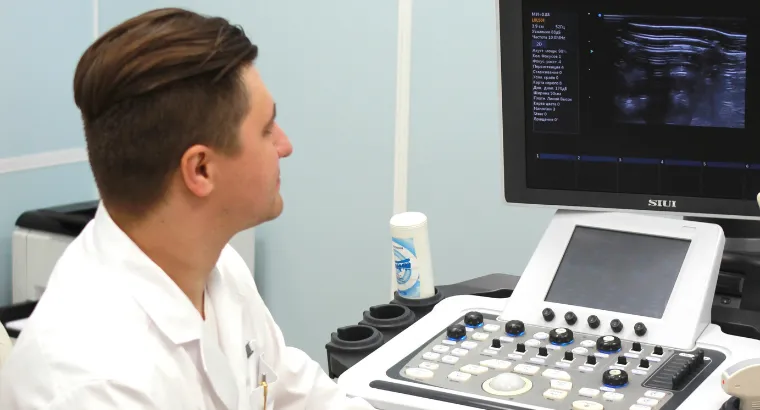
Philips has extended its ultrasound portfolio with the launch of Alturion, an artificial intelligence-powered ultrasound platform created for high-volume clinical environments, available in the United States and Europe, following FDA 510(k) clearance and CE mark certification. The organization states that the platform blends imaging, artificial intelligence-powered workflows, and an integrated ecosystem for efficiency gains. While Philips has mentioned the system’s clinical benefits, the declaration leaves key questions unanswered, from how the AI actually runs to how patient data is managed and what the launch means for Philips’ broader artificial intelligence strategy.
How Does Alturion’s AI Work?
Alturion amalgamates advanced imaging with AI-powered workloads that help manage measurements, ease image creation, and accelerate consistency across examinations. The system is also inclusive of AI-powered abdominal ultrasound measurement through Elevate Plus and embeds into Philips ultrasound ecosystem. However, the company, however, the organization does not explain where the artificial intelligence processing takes place. The declaration does not specify whether Alturion acts on AI inference entirely on-device, depends on cloud architecture, or uses a twin infrastructure.
While Philips declares what artificial intelligence can do, it offers little information about the infrastructure or hardware powering those abilities. The declaration leaves open questions about whether artificial intelligence processing happens entirely on the device or via a hybrid approach.
That differentiation matters because it measures system reliability, latency, and continuity. If artificial intelligence processing depends on remote architecture, healthcare analysts may ask how the system behaves during connectivity. If the process happens natively, this question arises around computing capability and software development. While Philips confirms compatibility with Collaboration Live for remote help and consultation, the exact link between those connected abilities and Alturion’s AI workloads remains ambiguous.
Healthcare AI is distinct as it puts forward questions beyond efficiency. Alturion is created to automate segments of ultrasound acquisition and calculation, decreasing manual intervention and supporting more consistent examination. Yet Philips’ declaration does not emphasize how patient information is managed when AI is involved. It also does not answer the questions regarding whether any clinical data leaves the device during AI-assisted workflows.
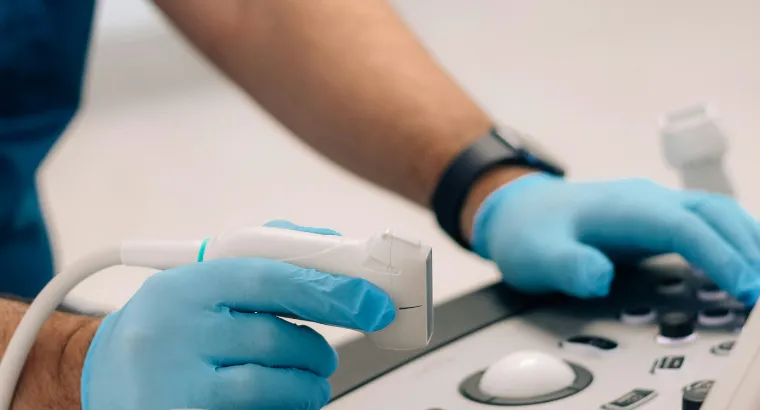
As clinics and hospitals increasingly deploy artificial intelligence-enabled diagnostic tools, healthcare providers are also likely to question where accountability ultimately rests when AI-generated calculations affect decisions. Philips highlights that Alturion helps clinicians make accurate decisions rather than replacing them, while the declaration provides limited detail on regulation, validation, or guardrails regarding the outcomes. These questions do not decrease the technology’s feasibility but reflect the necessity of accountability as AI becomes more embedded into healthcare niches.
Also Read: Can Midjourney’s Full Body Scanner Do What MRI Has Done for Decades?Philips Alturion
Is Alturion Part of Philips’ Broader AI Strategy?
Alturion has not been launched as a standalone product. Philips states that it is a segment of a connected ultrasound environment, sharing workflows, interfaces, and transducers with the EPIQ Elite and Affiniti ultrasound systems, while supporting collaboration lifecycle and remote consultations. The declaration also emphasizes AI-powered workflows, sovereign measurements, and connected imaging rather than placing it as an experiment. That shows Philips is continuing to integrate AI across its launch, instead of treating Alturion as a sole invention. Similarly, though, the declaration offers very little information about Philips’ long-term roadmap. It does not tell how future AI capabilities will develop, whether extra automation features are embedded, or how the organization plans to balance AI assistance with oversight.
Alturion shows Philips’ newest effort to integrate artificial intelligence workflows into high-volume ultrasound settings. It also aims at improving precision, efficiency, and decision-making. Yet, alongside those features come important unanswered questions about artificial intelligence infrastructure, patient privacy, and the organization’s comprehensive ambition for AI healthcare systems. As artificial intelligence becomes a key component of the healthcare niche, the conversation shifts from what these systems can do to how they work, how they protect the patient and the information, and how accountability is integrated in the technology behind them.