The competition among major tech firms over generative AI is not just about chatbots anymore, it is now moving into the creative tools people use every day. The latest example is from Google, who has introduced Video Remix for Google Photos, an AI powered feature that lets users transform existing videos with artistic styles, lighting enhancements, and background edits in just a few taps. It is a clear sign that AI is becoming a core part of photo and video editing, not just an extra add on.
The timing is interesting, too. Right after Meta announced Muse Image, which is its new AI image generation model and teased Muse Video, its video generation tool, Google launched Video Remix. Both companies are making a strong push to embed generative AI features into the everyday platforms people rely on, especially when it comes to content creation and social media. Instead of making users swap between multiple apps, they are launching these smart editing tools right into the platforms we already use.
What is Google Photos’ Video Remix Feature?
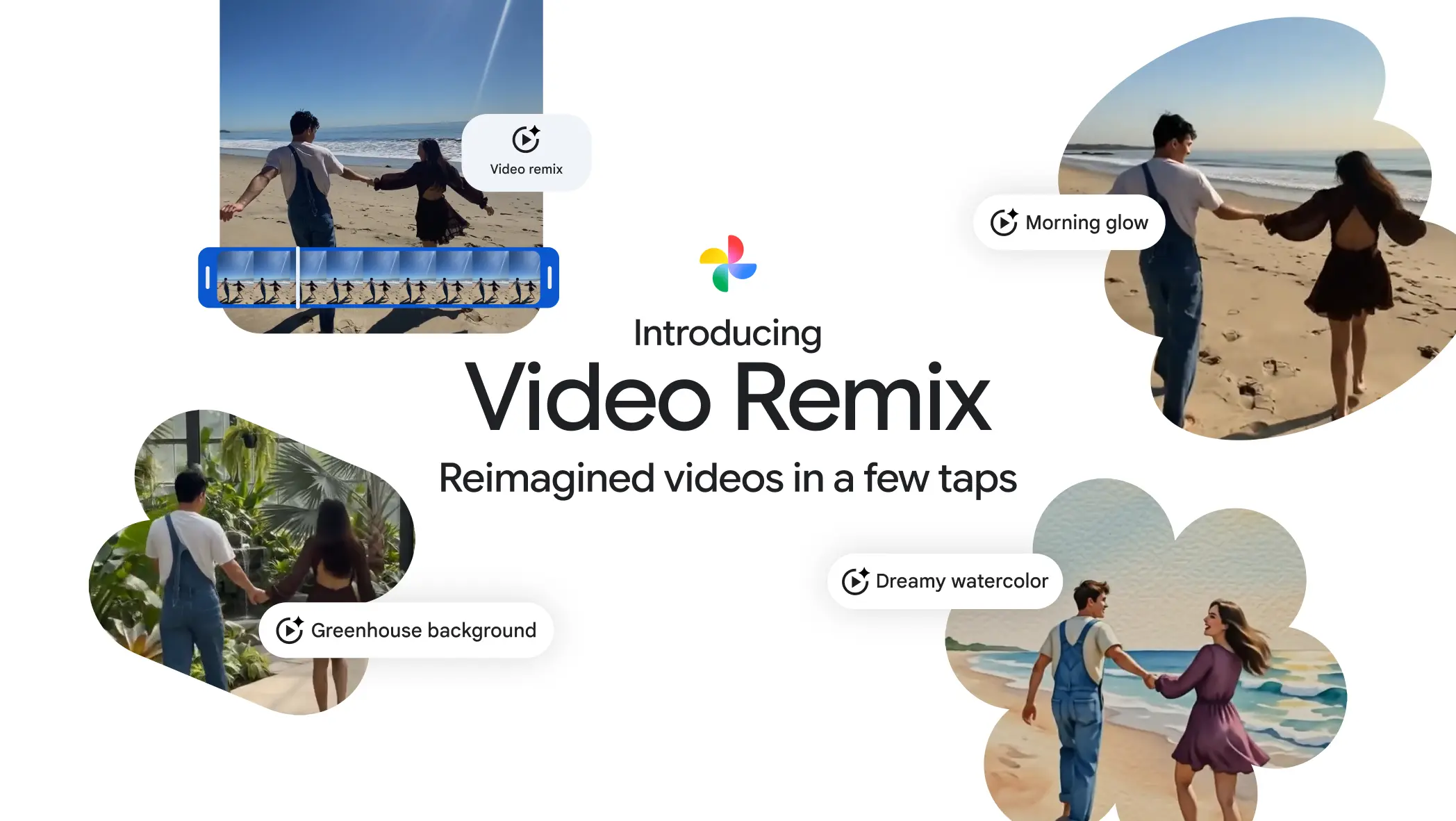
Image Credits: Googlegoogle video remix in google photos
Video Remix is all about simplifying video editing for everyone, not just professionals. It is integrated in the Create tab of Google Photos, so anyone can try it. It is powered by Gemini Omni model, and can relight scenes for different moods, swap out dull backgrounds for creative ones, and add special effects like water colour or sketch styles. Rather than relying on manual adjustments, users can generate these transformations with a single tap, which makes creative editing significantly more accessible.
It is another step in Google’s steady rollout of AI driven media tools. Over the past year, they have been incorporating image generation, photo enhancements, and video features into products people already use. By building Video Remix right into Google Photos rather than launching another standalone app, the company is making it clear that AI powered editing is becoming a core feature of consumer software.
User behaviour is shifting too. As short form videos continue to dominate platforms such as YouTube Shorts, Instagram Reels, and TikTok, the demand for quick and easy to use editing tools has grown. AI generated effects allow users to produce visually unique content without investing time in traditional editing softwares.
Google vs Meta Competing in AI Creative Tools
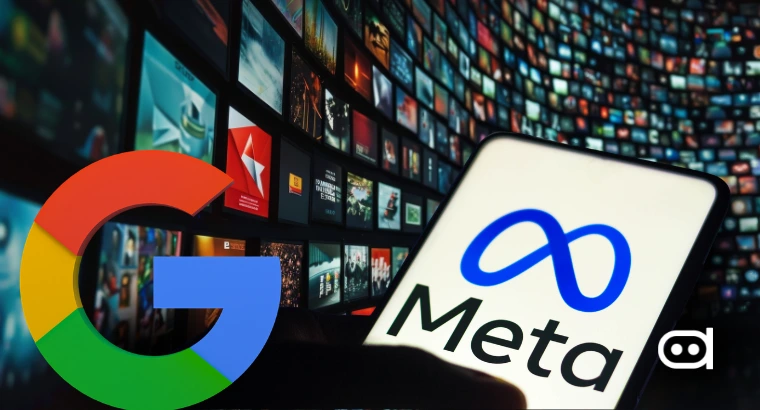
Google’s announcement comes at a time when competition in generative AI is becoming more and more focused on creative applications. Meta recently launched Muse Image, the latest from Meta Superintelligence Labs, with a next gen video generation model, Muse Video also on the way. Meta is lining up Muse as a foundation for AI driven content across Meta AI, Instagram Stories, WhatsApp, and eventually Facebook. Meanwhile, Google is strengthening its ecosystem by putting advanced editing right inside Google Photos. Their approaches might look different, but in the end, both are racing to incorporate AI into everything users already do online.
The rapid pace of announcements shows how generative AI has soon evolved from experimental demos to practical consumer features and tools. Companies are increasingly investing in tools that can create, edit, and transform visual content, recognizing that social media has become one of the most important places for user engagement.
That is good news for everyone. Competition means creative tools are going to get smarter and faster. Features that once required expensive software or professional expertise are now becoming available through mobile apps with minimal effort. At the same time, the competition between Google and Meta suggests that AI powered creativity will remain a major area of investment.
Introducing Video Remix in @GooglePhotos. 📹 Powered by our Gemini Omni model, it lets you reimagine your videos in new styles with a library of easy-to-use templates.
— Google (@Google) July 8, 2026
To get started, simply select Video Remix in the Create tab. You’ll be able to instantly apply cinematic… pic.twitter.com/KYzRvfkfVp
Google’s Video Remix makes it obvious that they want generative AI integrated into everyday content creation. Meta’s Muse Image and Muse Video show the rest of the industry is also going to follow a similar approach. As AI grows beyond just text into video and images, the real competition is about making seamless, engaging creative experiences happen inside daily use consumer apps. It is not just a race to build the smartest AI, but to build the best creative ecosystem.