For over ten years, GitHub has been the backbone of modern software development. Microsoft’s platform set the standard: repositories, pull requests, code reviews, automated tests, etc. Whether developers were building open source tools or corporate software, they all ended up doing the same basic thing: write code, submit changes, review those changes, and merge them.
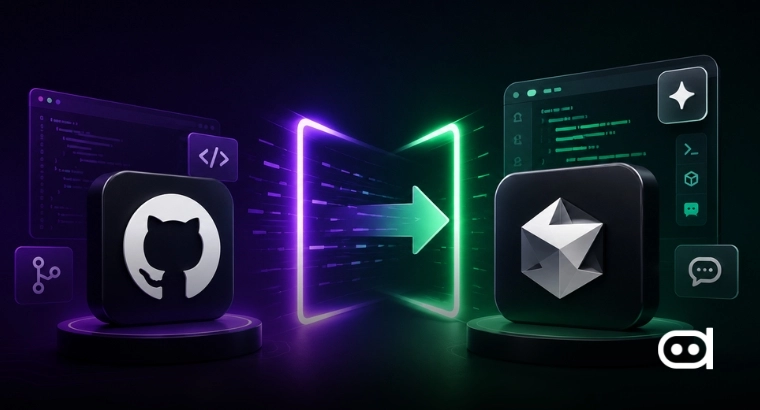
But the rise of AI coding tools is beginning to challenge the assumptions behind that model. Cursor, a fast rising developer software start up, is building a GitHub rival called Origin. GitHub was built for a world where people write most of the code but Origin is betting on a future where AI agents handle more and more of the coding, reviews, and management. The difference is not simply where code is stored, but who is expected to write it.
Cursor’s Origin Challenges the Human Centric Workflow that Made GitHub Dominant in the Past Decade
GitHub’s whole approach centers on helping people collaborate. Developers write code, create pull requests, review each other’s work, discuss it, and eventually merge in their changes. For more than a decade, this workflow barely changed, even as cloud computing and remote work reinvented everything else about development. Human to human collaboration around code stayed pretty much the same.
Now, Origin is showing up right as AI becomes part of the process. Cursor has moved past just offering an AI powered editor. They have rolled out background coding agents, Slack integrations, web based dashboards for managing AI agents, and automated workflow tools.
So basically, Origin is not just another GitHub competitor. Reports say that it is being built to provide repository hosting, security reviews, and testing just like GitHub. But here is the twist: Origin is being created just when AI agents are becoming able to generate code, fix bugs, review changes, and even run tests, which are all the things we used to depend on people for.
We're launching code storage and git hosting.
— Cursor (@cursor_ai) June 16, 2026
Origin gives teams and agents a place to host, review, and collaborate on code.
Available this fall. Join the waitlist.https://t.co/uamaIarJXY
GitHub vs. Origin
| GitHub | Origin |
| Built for human written code | Built during the rise of AI generated code |
| Human developers create pull requests | AI agents can generate and update changes |
| Human centric code reviews | AI assisted reviews and testing |
| Developers manage repositories | Developers manage AI agents |
| Collaboration between people | Collaboration between people and AI systems |
GitHub made life easier for teams of human developers. Now, Origin is coming up in a world where developers are working directly with AIs, not just each other. If AI agents become responsible for writing a meaningful share of software, the industry is going to need new workflows. Workflows where people mostly supervise, coordinate, and check what the machines produce, not just collaborate with other humans.
Also read: Google Looks to Revolutionize Chrome Browsing With Gemini Powered “Auto Browse” Feature
GitHub defined the last decade of coding because it became the default platform for human collaboration around software. Cursor’s Origin is being developed around a different assumption that the next decade of software will depend on AI agents as real contributors not just simple assistants.
It is hard to say if Origin will succeed since GitHub is everywhere, from massive enterprises to open source projects. Still, Cursor’s bigger strategy hints that they are after more than just a repository platform. Origin represents a bet that the future of software development will require workflows built for humans and AI working together. If Cursor is right, Origin’s real threat to GitHub is not in its features, it is in the way it reimagines building software altogether.