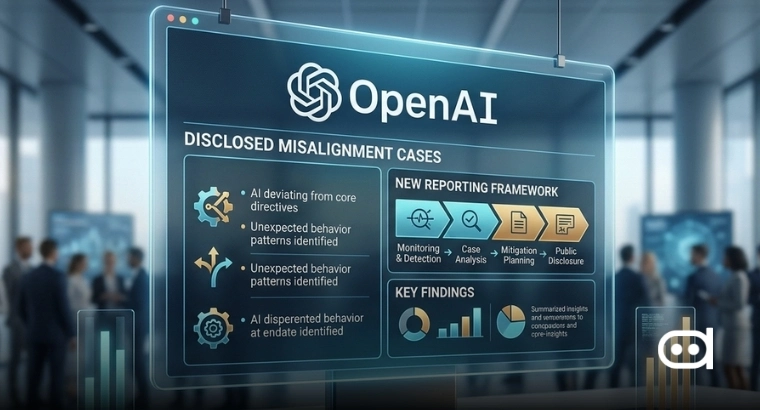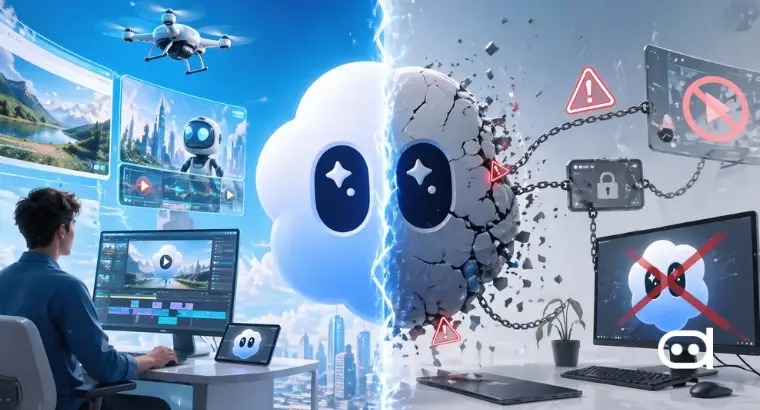
Sora AI, developed by OpenAI, had a major impact on AI video generation technology with its innovative video creation solution. The tool enables users to create videos by transforming basic text descriptions into lifelike visual scenes. The OpenAI Sora system achieved worldwide recognition after producing movies through its advanced generative AI capabilities, which created visual content that matched Hollywood standards.
However, discussions about a potential Sora AI shutdown emerged within a few weeks following the platform’s rapid growth, leading to uncertainties about its continuation. What reasons exist that would prevent such an effective system from operating normally or continuing its service without interruption?
What Was Sora AI?
OpenAI introduced the Sora video generation AI model in 2024 with extensive demonstrations. However, complete user access began in 2026, with discussions about the shutdown of Sora AI already happening in the background.
Key Capabilities:
- Enables users to convert basic text inputs into visual sequences that show real-life situations.
- Shows actual motion and physical elements through its realistic development and physics-based scene generation.
- Enables users to create multiple scene-based stories.
- Maintains consistent visual quality throughout all its display frames.
- Creates virtual environments that show actual human behavior and environmental conditions through its advanced simulation technology.
Why Sora Became So Popular
The quick growth of Sora AI results from its exceptional technological advancements and the worldwide enthusiasm for generative AI. The system showed abilities that scientists considered impossible until then, establishing the turning point for Sora AI development.
Breakthrough in AI Video Generation
The Sora video generation AI system created a new standard for realistic AI-generated video content. The Sora system generated complete videos with realistic movements in extensive environments, exceeding previous systems that produced brief video segments. The technological advancement established the system as a leader in AI video generation technology, drawing attention from content creators, film industry professionals, and business organizations.
Viral Demos and Social Media Buzz
The OpenAI Sora platform became more popular because users shared its demo videos, which became viral through multiple social media channels. The videos displayed cinematic landscapes and intricate action sequences, generating widespread interest among viewers. The international spread of Sora as a worldwide trend emerged from the demos, creating a surge in popularity.
Competition With Other AI Models
The Sora AI system differentiated itself from other AI video tools through its capacity to produce extended and visually consistent videos. Sora exceeded all competitors by combining high-quality visual effects with narrative elements. This competitive advantage played a major role in increasing public interest in the platform.
Major Concerns Around Sora
The fast expansion of Sora AI brought multiple problems, although the project achieved success. The Sora AI challenges included:
Deepfake and Misinformation Risks
The primary threat that people identified with Sora AI originated from its potential to produce deepfake content. The technology produced realistic video content, which caused people to worry about its use in spreading false information within political and social situations. This made the fall of Sora a topic of serious debate among experts.
Copyright and Creative Ownership
The primary problem for creators emerged because they needed to define who owned AI-generated materials. The ownership of content produced by Sora video generation AI created confusion among creators, developers, and users. The situation created legal confusion, which resulted in content creators and media companies exercising increased examination of their work.
Ethical and Safety Challenges
Ethical considerations served as a key factor in the Sora AI challenges process. The organization needed to protect its technology from potential misuse, which could lead to dangerous outcomes. Developers encountered difficulties because they had to find solutions that would allow them to create products for commercial use.
Regulatory Pressure on AI Video Tools
Government agencies and regulatory organizations have started to focus on the increasing use of AI video generation technology. The development of OpenAI Sora as a more powerful tool raised new issues about people misusing the system, spreading false information, and compromising data security. Policymakers began calling for stricter regulations to control deepfake content and ensure responsible AI usage. The regulations affected companies that developed advanced AI technologies, and organizations that created video generation systems.
Reasons Why Sora AI Shutdown
The discussions about the Sora AI shutdown result from multiple factors, which include technical problems, ethical issues, and regulatory obstacles. While there has been no official reason given, possible reasons include:
Safety Testing and Internal Review
AI companies usually suspend or restrict access to their advanced systems, including Sora AI, so they can perform safety assessments and internal evaluations. The technology must attain complete safety and operational reliability before it can be used in wider applications.
Legal and Policy Concerns
Legal requirements created pressure, which contributed to the Shutdown of Sora AI. The respective organizations raised objections about possible copyright violations, which led the business to evaluate its distribution methods.
Responsible AI Development
OpenAI’s dedication to building responsible AI systems restricted the operation of Sora AI. The organization preferred to establish ethical boundaries for technology use, which caused them to delay making their system accessible to users.
Huge Computing Power and Costs
The Sora AI shutdown occurred because the advanced models needed extremely high computational resources. The expensive infrastructure costs, combined with difficulties in scaling operations, create obstacles that prevent organizations from achieving extensive implementation.
Impact on the AI Industry
The OpenAI Sora shutdown has major effects on the AI industry. The situation demonstrates how difficult it is to achieve both progress and responsible behavior. The video generation potential of Sora AI was shown through its technical abilities, but it needed better protection. The situation has encouraged other companies to prioritize safety and compliance while developing similar technologies.
Our Verdict
The rise and fall of Sora AI demonstrates how difficult it is to create present-day artificial intelligence systems. The Sora AI system introduced new technology for AI video generation, but it created major obstacles, which involved ethical issues, regulatory requirements, and system capacity limits.
The Sora AI shutdown demonstrates that developers need to build strong technologies because of their potential impact on society. AI tools will develop through time, yet they will receive enhanced control measures together with better protection systems. People need to find the right balance between developing AI video generation technology and maintaining necessary control measures to protect their work.
FAQs
Was Sora permanently shut down?
The Sora AI shutdown is not necessarily permanent. The system will remain unavailable until experts finish resolving safety matters, together with legal issues and technical matters.
What made Sora different from other AI video tools?
The Sora AI system became the top AI video generation technology because it produced extended videos that maintained realistic scenes throughout the entire video duration.
What were the main concerns about Sora?
The Sora AI challenges included deepfake risks, copyright issues, ethical concerns, and high computational costs.
How will Sora’s shutdown affect the future of AI video generation?
The OpenAI Sora shutdown will likely lead to stricter regulations and safer development practices across the AI industry.
What could replace Sora in the future?
Other advanced AI video generation technology tools may emerge, focusing on safety, scalability, and compliance.
Will OpenAI release Sora in the future?
The OpenAI Sora system may return in the future if the company plans to build a safer system through its performance enhancements.