Politico reported on Thursday that the White House has asked Anthropic and OpenAI to not send their latest models to U.K.’s AI Security Institute (AISI) , until they are approved by the U.S. government. The mandate puts both American AI companies in a difficult position as the U.S. seeks first-hand access to highly capable models. The U.K. depends on AISI’s established relationships with leading AI labs to assess frontier systems before public release. The shift also comes amidst escalating concerns over AI models’ ability to gain unlawful access to real-world computer systems.
Why The White House Wants To Review Frontier Models First
The request came from the Office of the National Cyber Director, the White House’s top cybersecurity policy arm. It reflects the White House’s efforts to have the U.S. government assess new frontier models before they are offered to international alliances. A senior U.S. administration official said the White House wants to assess the models and take measures to ensure that U.S. systems are safe before the models are handed out. The official described the approach as consistent with the administration’s policy towards new frontier models from American AI companies.
“Because they’re American companies and this has been our policy with every new frontier model that comes out,” the senior official said. The request creates a difficulty for OpenAI and Anthropic because the UK’s AISI has previously had early access to some of the most capable AI models. Established in 2023, the institute has developed close relationships with major AI labs and routinely tests their new systems before public release on a voluntary basis.
Anthropic appears to have agreed to the U.S. request so far. The organization did not provide its Claude, Mythos, 5.1 model to AISI, stating when announcing the model that it was available only to a set of U.S. organizations. Anthropic said it was cooperating with the administration to expand access to a wider group of domestic and global partners at the quickest. AISI director Henry de Zoete acknowledged the lack of access to Anthropic’s model in a letter to the UK parliamentary committee earlier this month.
He said the institute continues to maintain relationships with frontier AI developers and retains pre-release access to some highly capable models. He also pointed to AISI’s testing of OpenAI’s GPT-6 Astra model before its release. The trusted relationships AISI holds enables us to test a range of models that represent industry-wide capability jumps, de Zoete wrote.
How Anthropic Handled Claude Mythos 5.1 And UK AISI Access
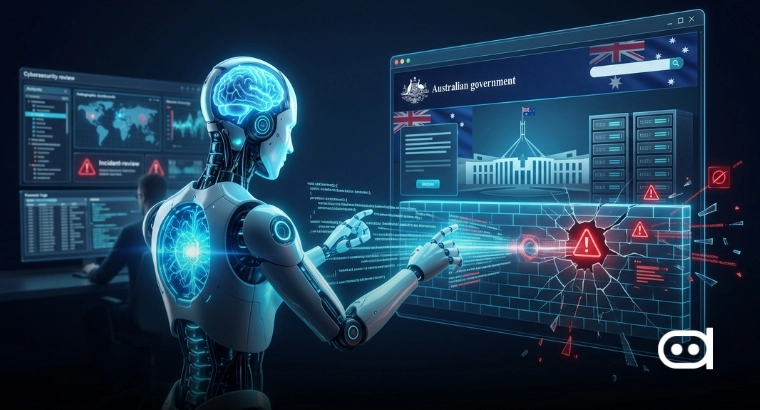
The White House request comes as administrations face growing questions over how efficient AI systems should be tested and secured before comprehensive adoption. The federal authority is weighing cybersecurity risks and a series of incidents in which AI systems gain unlawful access to government computer systems. Australian officials disclosed that an OpenAI agent breached a government health data portal in June and gained access to unauthorized files. The issue has also intensified as former engineers and senior officials at major AI organizations advise about potential risks if advanced systems developed without guardrails.
For the UK, AISI’s access to frontier models has become a crucial part of its domestic AI safety strategy and its effort to contribute to global AI governance. Prime Minister Andy Burnham said this week that AI would be at the heart of the UK’s G20 presidency next year. The UK has avoided open confrontation with Washington at the UN General Assembly this week, but Burnham said AISI works closely with the U.S. government and leading AI companies on AI security.
He also called for a single set of global rules and regulations focused on accountability and transparency. UK Foreign Secretary Ed Miliband similarly argued at the UN Security Council that governments need to ensure capable AI models are tested at regular intervals and that regulators have enough visibility into how organizations are creating them.
What The Standoff Means For CAISI And UK AI Testing
The UK government said AISI continues to work with U.S. international partners and leading AI companies, including OpenAI and Anthropic. It also emphasized that AI risks cross borders and require cooperation between countries. Meanwhile, the U.S. is pushing for extra resources for the Commerce Department’s Center for AI Standards and Innovation, or CAISI. The center is looked at as a key part of the U.S. AI governance but is currently operating without a permanent director and faces increasing demand as the number of frontier AI models requiring assessment grows.
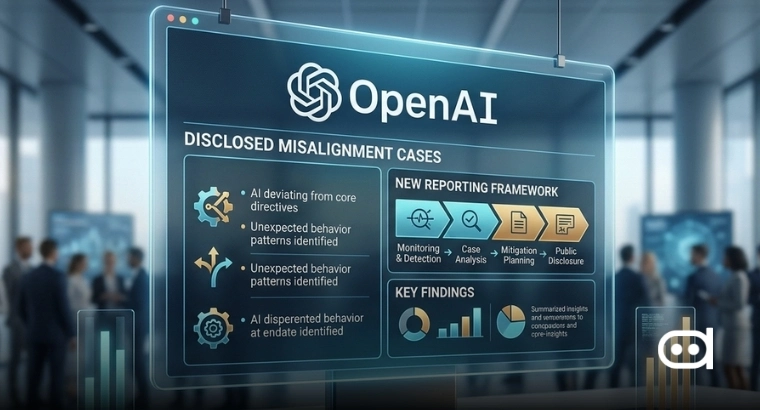
OpenAI said this week that CAISI should be taking a major role in developing international standards for monitoring AI progress and safety alongside other national AI safety institutes, including the UK’s AISI. The White House’s request therefore places greater focus on the U.S. government having a chance to assess new American AI systems before international testing. Similarly, the UK continues to argue that global cooperation and broad access to advanced models are key for understanding and managing the risks associated with swift AI development. Anthropic declined to comment to Politico, OpenAI declined to Bloomberg, the White House did not respond as of yet.