Key Highlights:
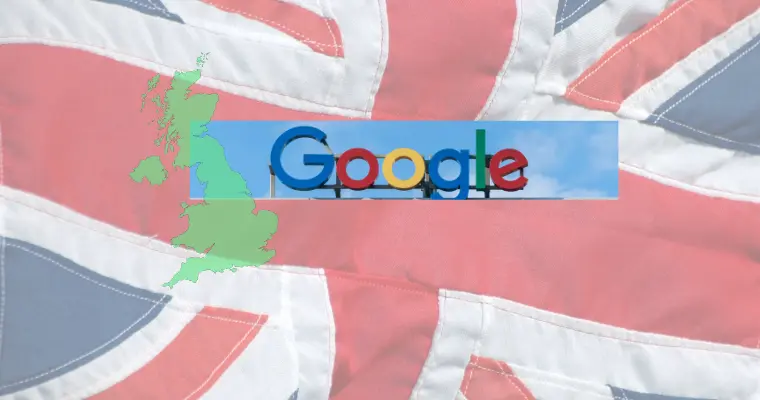
- The UK’s regulating body issues an order to Google to give publishers due autonomy over their content in AI search.
- The Competition and Markets Authority (CMA) imposes legal requirements to scale accountability, reliability, and bargaining power for publishers.
- Google has announced new reporting tools to publishers, with mixed reactions from media houses.
Prioritizing publisher rights, the UK’s authoritative bodies ordered Google to have greater autonomy over publisher’s content in AI search. It addresses concerns from media houses and autonomous publishers who state that Google’s AI search reduced organic traffic to original sources and raises lingering questions around transparency. It also decreased the chance of negotiation for fairness.
The decision comes to light as AI overviews are repeatedly reshaping how people access information. But Google tries to ensure that these launched tools help readers discover news websites and promote autonomous publishers. Publishers complain that the AI summaries lead to a stark drop in clicks and reduce the need to refer to original articles. Considering these problems, the UK has imposed new rules designed to ensure stability between Google and publishers while also maintaining trust.
What Does CMA Expect Out of Google?
Under these guidelines, publishers will get autonomy over their work in generative AI features, including AI Overviews. Publishers will also receive accurate and transparent explainers of content utilization for AI-powered search responses.
The Competition and Markets Authority further asks Google to provide comprehensive metrics on user engagement statistics within AI search. This will help publishers assess their content, which will appear in AI search answers. Primarily, Google must adhere to the guidelines and make sure that publisher content is clearly annotated in AI search results. By granting access to visible links, which will help the users to access the original source, the publishers will get their due credit.

The Competition and Management Authority also mentioned that publishers will have the ability to opt out of having the content used for AI models, giving them better autonomy. These measures would help publishers, particularly media houses, be in a better position to scrutinize content deals with Google without affecting consumer trust.
Also Read: Google Launches AI Threat Defense Platform for Enterprise Cybersecurity
Media Publications and Google’s Responses
Google allows website owners to manage their links and content in generative AI search. With a new toggle in Search Console, publishers have the right to choose whether their sites appear in AI mode, AI search, or AI overview. The websites that opt out will not get traffic from these features, but the original source rankings will remain the same.
The company will also embed more internal links in AI answers with website previews and add insights for publishers, such as performance metrics, on where the page appears in AI responses.
As per the CMA Chief Executive, Sarah Cordell has spoken that the measures are helping publishers to secure a fair deal and help users to rely on the information. Industry insights differ, with the News Media Association welcoming it as a fair step.
However, other media houses criticize the framework and state that the publishers still lack accountability, and there should be a re-evaluation of AI overviews.
The United Kingdom’s decision to levy AI search controls on Google is an impactful moment in the global AI sphere. By allowing publishers greater autonomy, streamlined distribution, and better access to the metrics, the CMA attempts to set parallels between tech giants and publishers in this sphere. While Google has promised new components and commitments, the debate remains the same as to how long the changes will be implemented. As the Competition and Management Authority regulates these tools and prepares for an action, the result will shape how AI search is thoroughly regulated.