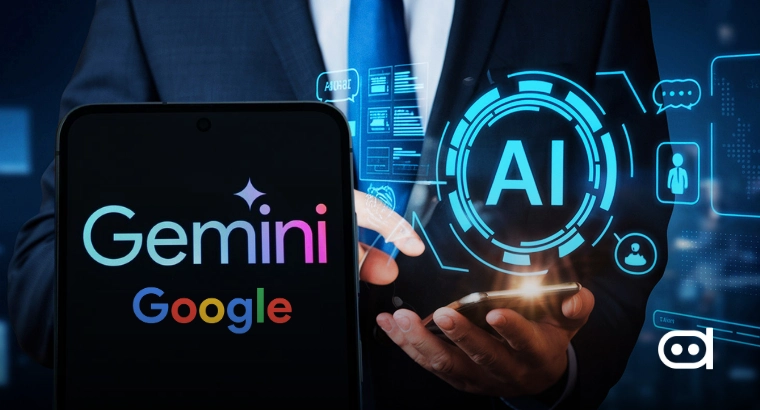
- Google just rolled out Google AI Threat Defense, a new cybersecurity platform built to help companies fight the growing AI-driven cyberattacks through automation, cloud-based smarts, and AI-powered threat detection.
- The platform combines several security technologies including Gemini AI, Mandiant intelligence, VirusTotal telemetry, Wiz cloud security, and CodeMender remediation.
- The idea is to help organizations prepare, detect, fix, and respond to threats faster, especially as attackers use AI to automate exploits, phishing, and vulnerability discovery.
The landscape is changing fast, cyber threats and AI are evolving together, and big tech companies are hustling to build defenses that move at machine speed. Google AI Threat Defense blends cloud security, AI analysis, threat intelligence, and automated remediation into one seamless package.
The launch really shows how much pressure businesses are under now. Cybercriminals use AI to accelerate attacks, automate exploit development, and launch sophisticated phishing campaigns. Google’s solution aims to ease the strain on security teams by helping them identify critical threats and simplify workflows for fixing and responding.
What is Google AI Threat Defense?
Google AI Threat Defense is a security platform for enterprises, pooling several AI and security technologies so they all work together. The platform combines Google’s Gemini AI models with intelligence and security systems from Mandiant, VirusTotal, Wiz, and CodeMender.
Some of the major features highlighted by Google include:
- AI-driven threat detection and prioritization.
- Cloud vulnerability and misconfiguration analysis.
- Identity and access risk monitoring.
- AI-assisted remediation and patching.
- Malware intelligence via VirusTotal telemetry.
- Threat intelligence and incident response from Mandiant.
- Cloud security posture management using Wiz.
- Nonstop monitoring and security ops support.
- Risk analysis across AI workloads, APIs, and cloud infrastructure.
This platform pushes businesses to shift from just reacting to threats to a proactive, AI-powered defense systems. Gemini AI engines process massive streams of security data so companies can spot holes worth plugging and not waste time on minor alerts.
Mandiant brings intelligence from real-world investigations. VirusTotal makes malware analysis more robust. Wiz gives visibility into cloud security, and CodeMender patches up vulnerabilities fast.
Importantly, Google is clear that this platform doesn’t replace cybersecurity professionals. Human experts still handle governance, big decisions, approvals, and managing incidents, AI just helps them work faster.
AI is rewriting the rules of cybersecurity. That's why we're launching Google AI Threat Defense today.
— Google Cloud (@googlecloud) May 27, 2026
Learn more about this automated security system designed to continuously monitor for and stop AI-powered threats before they can impact your business → https://t.co/6ZO4xeEMQc pic.twitter.com/oSohpj6SBy
How the Four-Step Framework Inside Google AI Threat Defense Works
- Preparation: Identifying Risks

First up is preparation. Organizations review their AI workloads, cloud setups, APIs, identities, and infrastructure, searching for vulnerabilities and risky configurations before hackers get a chance. The point is to improve visibility across enterprise environments and strengthen cloud security posture management.
- Detection and Prioritization: Cutting Down Alert Fatigue

Next is threat detection and prioritization. AI analyses vulnerabilities, sketchy behaviour, and security alerts, figuring out which threats need urgent attention. This lets security analysts eliminate the work of sorting through endless low-priority alerts and focus on what matters.
- Remediation: Using AI for Quick Fixes

Step three is remediation. Leveraging CodeMender and AI-powered workflows, the platform can suggest or generate fixes and patches for vulnerabilities. Security teams and developers can roll out these fixes across enterprise and cloud systems.
- Monitoring and Response: Reinforcing Cyber Defense

Last is continuous monitoring and response. With Mandiant’s intelligence and VirusTotal’s telemetry, organizations can track suspicious behavior, monitor for attacks, and sharpen their incident response.
Google thinks nonstop monitoring is vital as AI-fueled attacks move so quickly there’s hardly any gap between finding a vulnerability and exploiting it.
Conclusion
Google AI Threat Defense marks a clear shift toward AI-powered cybersecurity, especially as automated attacks progressively increase. By combining Gemini AI with Mandiant, VirusTotal, Wiz, and CodeMender, Google is aiming to build a unified ecosystem that can detect, prioritize, and react to threats faster and at a bigger scale.
The four-step framework: preparation, detection, remediation, response, signals that cybersecurity is getting more proactive and automated. Still, the company emphasizes that human experts remain central to governance, approvals, and incident handling, even with all these AI-driven processes.