The acceleration of artificial intelligence structures across the United States affects public spaces with minimal public scrutiny, as organizations aim to secure power plants to fuel their data centers. Dozens of large, often natural gas plants are being fast-tracked through authoritative processes that take a long tenure. Residents living near these developments were given little notice, while environmental concerns and public hearings were completed altogether. Regulatory processes and interviews show how quickly approvals and loopholes reshape AI architecture.
What Is Being Constructed to Power the AI Boom?
Across the United States, huge natural gas power plants are being built to serve individual AI and data centers operated by major technology giants. These facilities supply power directly to single customers rather than feeding it through societal electric networks. In Bowling Green, Ohio, construction crews are creating an 800-acre data center for Meta with a gas-fired power plant, which is called as the Apollo Generating Station.
The plant is created to generate enough electrical power that can be sufficient for 100,000 homes, only serving to Meta. According to Reuters, Cleanview shows at least 57 such off-grid plants which are under construction all over the U.S. with a combined capacity of 73,000 megawatts, which can easily supply energy to tens of millions of houses.
Multiple plants are being planned in the coming weeks and months. These are such projects that require a massive power generation and longer regulatory approvals. The developers state that these off-grid plants built for private customers are free from regulatory rules, including environmental protection and public hearings.
In Ohio, a law was passed last year that allows multiple power projects to secure approval in as little as 45 days without public hearings. The Apollo plant was ticked marked by the Ohio Power Siting Board less than 90 days after the plans were submitted. The permit documents were not made publicly visible until the construction had begun. There have been numerous projects like these that are approved within a year, with little to no notice to the residents nearby.
Also Read: Evian-les-Bains Convenes Tech Giants And Governments for AI Child Safety
Why Are the Residents Concerned?
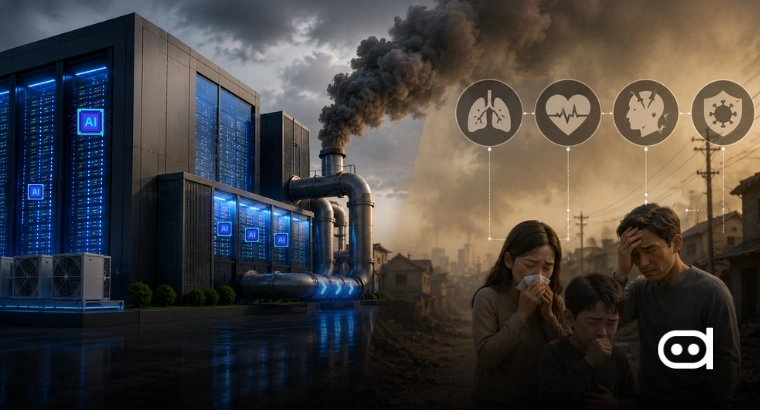
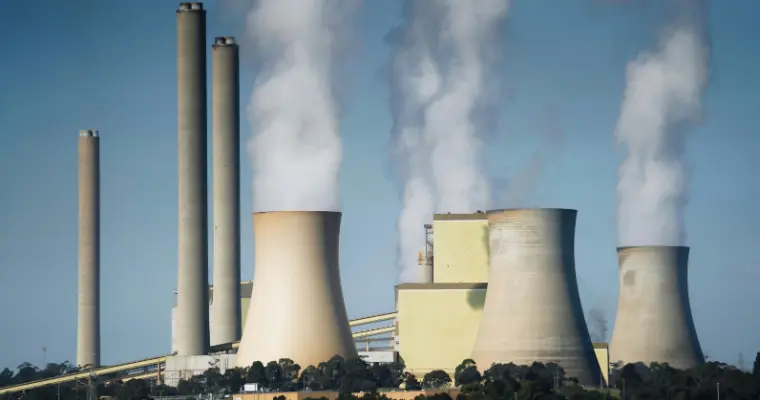
These natural gas plants release nitrogen oxides, thin particulate matter, and greenhouse gases that affect respiratory systems and cause respiratory illnesses. These substances also affect the climate and promote global warming. Analysts say that the speed at which these plants are being developed without community approval will bring on multiple health and safety risks. A postdoctoral researcher at Harvard University, Michael Koch, said that this is one of the largest air quality risks in the country.
The people residing near the boiling green site said that they were unaware of the power plants that would be built next to their residence. Other people worry that these power plants and AI data centers would turn futuristic development into a massive public health issue. Analysts and researchers state that the use of non-disclosure agreements with local governments and shell companies, the eradication of public records, and fast-track permitting are major factors that reduce accountability and transparency.
Supporters argue that these power plants are crucial for artificial intelligence and the surrounding development. It also prevents the technology companies from raising electricity prices. The Data Center Coalition, representing these firms, including Amazon, Meta, and Microsoft, said that the developers are responsible enough to be respectful neighbors. Federal and state governments are also in favour of faster approvals. The Trump administration has quoted that the competition with China is one of the main reasons to accelerate AI adoption and deployment.
States including Ohio, Texas, Utah, and West Virginia are deploying proposed measures to speed up the process and limit public approval. In Ohio, regulatory bodies passed certain measures protecting large projects like AI data centers from public records, making it a criminal offense for officials to reveal details for power plants.
As AI data centers emerge through power plants, reshaping the U.S. economy, it also depicts an emerging tension between competitiveness and transparency. While organizations and governments support rapid deployment and growth, residents and analysts warn that reduced accountability could affect the environment and health. The question arises as to whether the rush of AI deployment will affect residents and society as a whole.