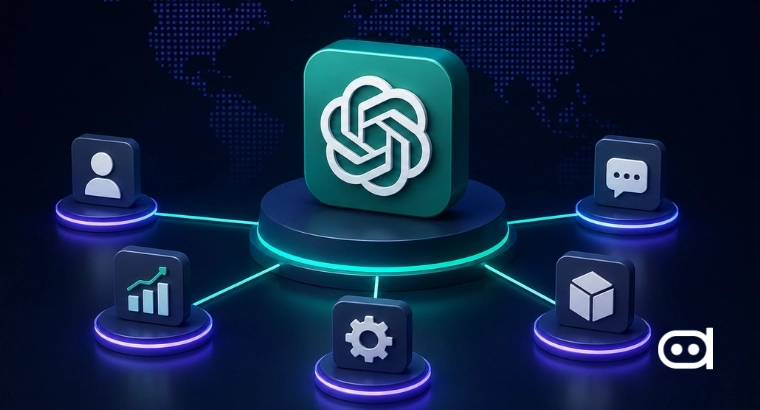
OpenAI has just launched the OpenAI Partner Network, a global ecosystem built to help organizations develop, roll out, and scale AI solutions more efficiently. The move is about addressing a major challenge in the AI world right now, which is, AI models are getting smarter, but for a lot of businesses, actually turning that technology into real results is still tough. To solve this, the company is bringing together consulting firms, technology providers, systems integrators, and implementation specialists who can walk companies through the process of making AI truly work for them.
This launch is one of OpenAI’s biggest steps yet toward focusing on enterprise customers. The company is investing $150 million into the program and wants to train and certify 300,000 consultants by the end of 2026. The goal is to build a huge network of people who can help organizations spot AI opportunities, redesign workflows, add AI into existing systems, and manage the big organizational shifts that come with it.
What is the OpenAI Partner Network?
The OpenAI Partner Network is a structured program where approved partners get to build, sell, and deliver AI-powered solutions using OpenAI’s tech. Instead of doing everything by itself, the company is looking for external experts who can support customers in any industry, anywhere.
The program continues OpenAI’s focus on helping businesses do more than just test AI, it’s about making AI part of their day-to-day operations at scale. Earlier programs like Frontier Alliances pulled in big firms like Accenture, Boston Consulting Group (BCG), McKinsey & Company, and Capgemini to guide businesses through AI transformation. These partnerships made something clear: powerful AI alone isn’t enough. You need workflow redesign, integration work, and support for change within the company.
OpenAI just admitted the model war is over.
— The Beacon AI (@TheBeaconAI) June 15, 2026
Its new Partner Network says the quiet part loud: the intelligence is good enough. The problem now is deployment, not capability. Workflow redesign, systems integration, change management.
That is a consulting problem.
So OpenAI is… pic.twitter.com/LSp8yTdQ2X
With the Partner Network, organizations can access technical resources, certifications, training, and chances to work closely on customer projects. The company reportedly has three partnership levels:
- Select
- Advanced
- Elite
These tiers are set up to reflect a partner’s expertise, success with customers, technical skills, and experience with deployments. Partners can also pick up specializations in areas like AI agents, cybersecurity, and Codex-based solutions. All of this links back to the company’s wider push into enterprise products, including Codex tools and deployment services.
How to Become an OpenAI Partner
If your organization wants to join the OpenAI Partner Network, you’ll need solid technical skills and a real history of helping customers adopt AI. The company hasn’t published every requirement, but from what’s out there, they’re looking at a few core things.
- You need to show you can build and implement AI solutions using OpenAI’s tech. That means you understand how to deploy models, integrate them into company systems, manage data, and keep everything secure.
- Partners are expected to go through OpenAI’s certification and training. The company wants to certify 300,000 consultants by the end of 2026, so having recognized expertise is huge. If you’re certified, you’re way more likely to help customers tackle challenges and really benefit from AI.
- You’ll need to show you’ve made a real business impact through AI projects. If you can do that, you stand a better chance of earning a higher tier in the program.
In some cases, selected partners can access special initiatives, like the Forward Deployed Experts program, which means closer collaboration with OpenAI’s own tech teams and deployment methods.
Also read: OpenAI is Using Referrals to Scale Codex in 2026 & Why it Works
The OpenAI Partner Network is a big change, it’s not just about selling AI models anymore. The message is clear: the future of enterprise AI relies as much on real implementation as on technical breakthroughs themselves. If the company pulls this off, businesses everywhere might finally bridge the gap between AI’s possibilities and real-world results, with a global network of specialists leading the way.