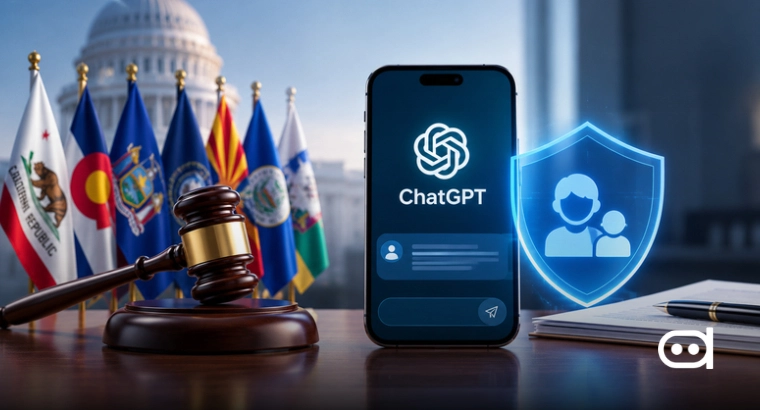
- Florida has filed a first-of-its-kind lawsuit against OpenAI and CEO Sam Altman claiming the company’s AI systems played a role in violent incidents involving users.
- This case is trying to answer a big question: can AI companies be held legally responsible when something bad happens in the real world after a chatbot interaction? If the court says yes, this could set a new standard for how we look at AI liability.
There’s a reason the whole tech world is watching Florida’s lawsuit against OpenAI. It’s not just about the specific claims but also about what kind of precedent it might set for the entire AI sector. The outcome here matters beyond Florida or even just OpenAI. If courts start treating AI chats as key evidence for liability, we could see chatbot conversations become a totally new category of digital record in courtrooms. This would push AI platforms, users, and investigators to rethink the way they operate and interact altogether.
Florida vs OpenAI: How The Lawsuit ‘Changes’ Digital Evidence
Unlike regular search engines, today’s AI systems invite people to have long, detailed conversations. Sometimes users are looking for advice, working through personal worries, talking about their feelings, or brainstorming ideas. These conversations can reflect a person’s thinking, intentions, motivation, or even their emotional state, more than what you’ll find in most digital records.
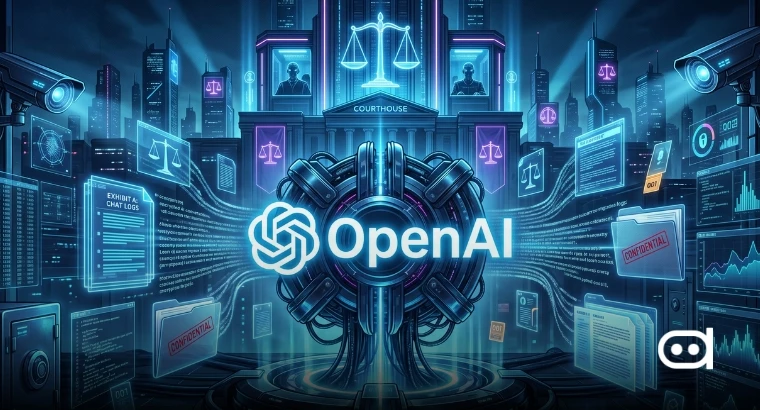
If Florida’s lawsuit, as reported by TechCrunch, actually connects an AI’s responses with a user’s harmful actions, we could start seeing more and more lawyers asking for chatbot logs whenever there’s a discovery process in a case. Whether it’s a criminal investigation, a civil lawsuit, or a custody fight, people might not just be asked about what they searched online, but also about what they said to an AI before something happened.
This opens up some serious legal and ethical questions. Most of us think of our conversations with AI as private. But if those chats become relevant in a lawsuit, will courts treat them like personal diary entries or public records that anyone can request? The answer could change how people relate to AI systems.
Florida sued OpenAI and its CEO Sam Altman, accusing its ChatGPT platform of harming children by providing information to school shooters, offering guidance on self-harm and addicting young users, said the state's Attorney General James Uthmeier https://t.co/SdeHP0DaSG pic.twitter.com/C5i0IlYzRY
— Reuters (@Reuters) June 1, 2026
Privacy, Accountability, and the Future of AI Platforms
On one side, regulators argue that if chatbot interactions contribute to harmful outcomes, those records may be essential for understanding what happened and determining responsibility. Being able to see those conversations could clarify timelines, give clues about warning signs, or show if proper safety steps were followed.
But from the user’s side, more people now rely on AI tools to talk through really private stuff. If everything you say could be dragged in court, it might change the way people interact with these systems, maybe even making them less open or less likely to use AI altogether.
AI companies might have to keep more detailed chat records, improve monitoring, introduce stricter safety checks, or log how their models handle sensitive topics. That creates more transparency but it also raises bigger concerns about tracking, storing data, and whether or not people trust the platform.
Also read: Florida Attorney General Probes OpenAI over Potential Harm to Minors
In the end, Florida’s case against OpenAI might be remembered for more than just its specific allegations. If courts decide that AI interactions can influence human behaviour in meaningful ways, we’ll start seeing chatbot records used as a new kind of digital evidence right along with emails, texts, and browser histories. So this lawsuit isn’t just about who’s liable. It’s about shaping the future role of AI conversations in a world where millions of people turn to machines for advice and answers every single day.