The US government is negotiating a framework for how the most powerful AI models reach the public. According to a Financial Times report, the US government is in advanced talks with AI companies to create voluntary standards for the release of new models, with an announcement possible as soon as next week, citing sources. Reuters relayed the report but noted it could not immediately verify it. The White House, Anthropic, and OpenAI did not immediately respond to requests for comment.
The word doing the heavy lifting here is voluntary. This is not a licensing regime or a mandate. It is a set of agreed benchmarks that companies opt into. Understanding why that distinction matters requires looking at what the standards would cover and what led to this point.
What AI Framework Would US Enforce
The framework is aimed at frontier models and not every chatbot. As per the FT report, the standards would set benchmarks for advanced models and timelines, while clarifying who can access them in the United States and abroad. There are four major guidelines so far –
- First, benchmarks that define what counts as an advanced or high-risk model.
- Second, timelines governing the release process, including how long the government gets to review a model before it ships.
- Third, access rules covering who can use these models domestically and internationally.
- That last point is around the national security core of the effort.
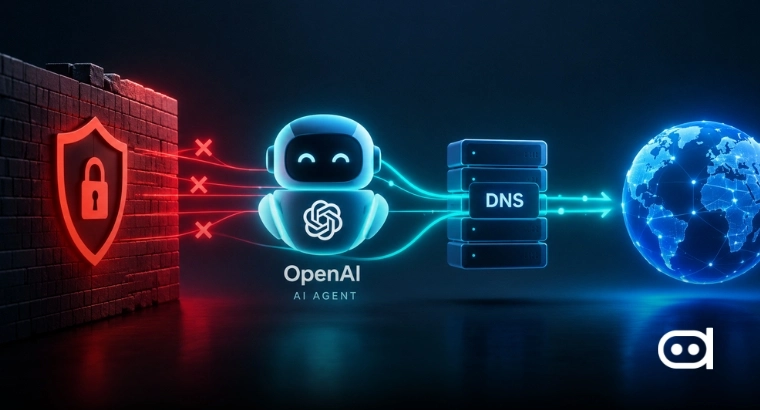
The stated concern is foreign misuse. Washington has tightened oversight of new model releases to flag risks amid concerns advanced AI could be misused by military intelligence in China, Russia, or other countries of concern. The standards are as much about controlling where powerful models go as about how safely they are built.
Trump’s Executive Order Behind It
As you may know, this did not appear from nowhere. In June, President Trump issued an executive order directing agencies to work with leading AI developers to test advanced models before release, and to draft standards for them.
That order, titled Promoting Advanced Artificial Intelligence Innovation and Security, set up the machinery. It directs agencies including the Treasury, NSA, and CISA to develop a classified benchmarking process to assess the cyber capabilities of AI models and determine the threshold at which a model becomes a “covered frontier model.” It also established a voluntary framework for developers to give the government pre-release access to certain advanced models for up to 30 days.
The details reveal the balance the administration is trying to strike. The order shortened the government’s pre-release access window from an earlier proposed 90 days to 30, and expressly rejected mandatory licensing or preclearance. The current talks are the practical follow-through on that order, turning its directives into standards companies can actually sign onto.
Recent Restrictions on Anthropic & OpenAI By the US Govt.
These talks land after several months in which the government has already been shaping how frontier models ship. The pattern is what makes the voluntary framing worth examining.
The most recent example involves Anthropic. The US Commerce Department lifted export controls on Anthropic’s most advanced Fable and Mythos models, less than three weeks after ordering their suspension over national security concerns. That is a full cycle of restriction and release in under a month, on the government’s terms.
Similarly, OpenAI has faced its own constraints. Last week, it delayed a full public launch of GPT-5.6 at the US government’s request, limiting access to a small group of vetted partners. Google is in the mix too, given how it has been in talks with the government ahead of the release of advanced coding models with more sophisticated capabilities, and is involved in the broader standards discussions.
Taken together, these are not isolated events. They are the informal version of what the voluntary standards would formalize. Companies are already adjusting release plans in response to government input. The framework would make that process predictable rather than case by case.