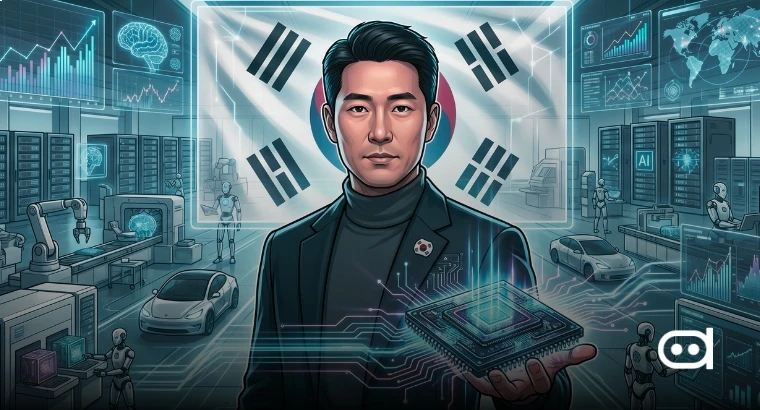
- South Korea’s exports reportedly rose 53.2% in May 2026 which is the fastest growth since 1984 with semiconductor shipments surging 169.4% amid unprecedented demand for artificial intelligence infrastructure.
- This export boom is driven by rising global demand for advanced memory chips used in AI data centers. South Korea has landed right at the center of this rapidly growing AI supply chain.
- These trade numbers show that countries supplying key hardware parts are turning out to be some of the biggest beneficiaries in the AI era.
South Korea’s latest export figures tell more than just strong trade performance. They show how artificial intelligence is reshaping the global economy and creating new centers of industrial power. As tech firms race to build bigger AI models and add to data-center capacity, demand for the hardware running these systems keeps growing.
South Korea’s Position in the AI Supply Chain Amid Labour Struggles
The global AI surge usually gets credited to software breakthroughs and major tech companies. But behind every AI model, there’s a massive hardware stack including processors, servers, networking gear, and memory chips.
Advanced AI needs huge amounts of high-bandwidth memory to handle and store data efficiently. This has created strong demand for memory products manufactured by South Korean industry leaders such as Samsung Electronics and SK Hynix. As AI developers add computing capacity and cloud providers invest billions into new data centres, the need for these core components keeps growing.
South Korea's exports grew more than expected in May at the strongest annual rate in over 40 years, as chip sales hit a record on a global boom in AI investment, bolstering optimism about the trade-reliant economy and its world-beating stock market rally https://t.co/JsRW9hcTo1 pic.twitter.com/kLGrf533gU
— Reuters (@Reuters) June 1, 2026
The latest export data reflects that trend. Semiconductor exports skyrocketed 169.4%, pushing total export growth to a record 53.2%. These figures show AI investments are reshaping trade flows and industrial output countrywide, but this isn’t limited to individual companies alone. The East Asian country has become a vital hub in the supply chain powering some of the world’s most valuable tech businesses. While the AI application firms catch the public’s attention, all that software depends on hardware made in the South Korean factories.
Despite the industry’s strong momentum, some of country’s top chipmakers are still dealing with internal labour issues. Samsung Electronics, for example, has run into periodic disputes over wages, working conditions, and employee benefits over the past few years, reflecting these are the issues that show a bigger trend of rising workforce expectations in this hyper-competitive field. And as the race for AI-related chips intensifies and production targets increase, manufacturers have to find the right balance between chasing growth and keeping labour relations steady. If they don’t, labour disputes could end up disrupting a supply chain that’s become essential for the global AI economy.
Also read: South Korean Startup LetinAR Raises $18.5M to Fuel Global AI Wearables Race
The Economic and Strategic Impact of AI’s Growing Demand
This export boom shows AI is starting to affect broader economic indicators. Instead of just benefitting technology companies, the rush for semiconductors boosts overall exports, manufacturing activity, and investor confidence.
For South Korea, that means both economic opportunities and strategic advantages. Countries that control crucial links in the AI supply chain matter more and more to governments and companies looking for stable access to advanced tech. Semiconductors have become strategic assets, influencing competitiveness and national security as much as profit.
It’s happening as governments worldwide invest money into AI and try to lock down the tech supply chain. With rising demand for advanced computing, South Korea’s chipmakers are almost certain to remain central to these efforts.
South Korea’s role points to a bigger shift in the AI economy. So much attention goes to software, but underneath, it’s the physical infrastructure: chips, equipment, and support tech that’s generating serious economic value.