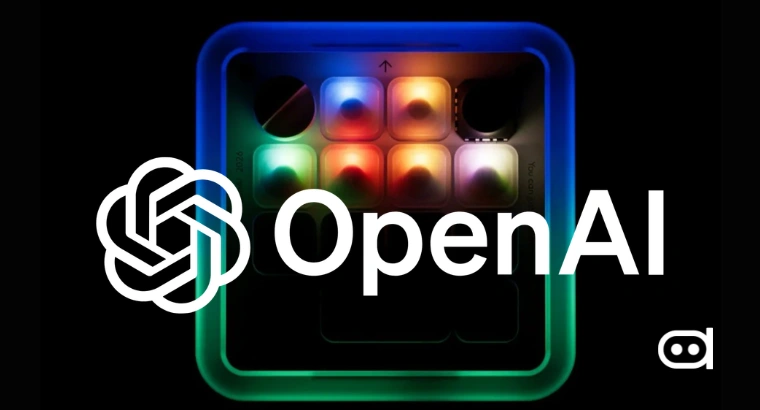
OpenAI is about to launch its first hardware product on July 15, a big moment for the company as it moves beyond just AI software. But if you are picturing an AI smartphone or some futuristic gadget, that is not what is coming. The new product, called the Codex Micro, is a small desktop accessory created with hardware maker Work Louder, and it is built specifically for OpenAI’s AI coding assistant, Codex.
OpenAI has not shared all the specifics or the price yet, but the teasers point to one thing: Codex Micro is all about making AI assisted coding faster and a whole lot easier. It does not add brand new AI features. Instead, it gives users dedicated physical buttons for common Codex actions, cleaning up the way people interact with the tool. The launch also shows OpenAI’s growing interest in hardware, even while it is working on a totally separate AI device with former Apple design lead Jony Ive.
What is the Codex Micro and What Can it Do?
The Codex Micro is basically a programmable macro pad for your desk. It works alongside your computer, not in place of one. Imagine something that looks a lot like the compact control pads from Work Louder, but designed to let you tap once and jump straight into AI powered coding flows.
OpenAI and Work Louder are bringing a dedicated macropad, called the OpenAI Codex Micro.
— Mukul Sharma (@stufflistings) June 30, 2026
Will feature remappable Codex shortcuts.
Coming up on July 15th… pic.twitter.com/6Kb1d2D7S6
While OpenAI still has not confirmed the final feature list, the reported teasers and what we already know about Codex suggest you will be able to:
- Launch Codex with a single button press.
- Review and explain existing code.
- Debug software and identify potential issues.
- Trigger predefined AI workflows without repeatedly typing prompts.
- Switch between different coding tasks using programmable shortcuts.
- Automate repetitive development tasks to improve productivity.
This is not a regular keyboard, you would not have to type out emails or documentation. What it does is sit next to your main keyboard, so you can hit physical controls for your go-to AI moves and stay in the zone while coding.
Who is the Codex Micro Useful For?
OpenAI is targeting developers, people who use AI to write, review, and manage code every day. Instead of opening up chat windows and retyping prompts, you just use the hardware controls for all the typical AI actions.
Potential users include:
- Professional software developers working on large codebases.
- Engineering teams using Codex for collaborative development.
- Independent developers and startup founders building applications.
- Computer science students learning programming with AI assistance.
- Technical educators and content creators demonstrating coding workflows.
- Users who rely on Codex throughout the workday.
It is built to save developers time and hassle. If you rarely touch code or only chat with AI casually, it is probably not for you, the device is mainly focused on developer needs.
Why the Codex Micro Matters for OpenAI
This is OpenAI’s first commercial hardware, and that alone makes it a major step. It is not a phone, it is not a laptop, it is a physical tool built strictly for working with AI.
The product is also part of a bigger trend. More and more, companies are building hardware that puts AI up front, instead of just relying on keyboards, mice, or touchscreens. By starting small with a developer device, OpenAI gets to see how people actually use AI focused hardware before diving into bigger, riskier ideas.
Importantly, the Codex Micro is separate from OpenAI’s long term hardware project with Jony Ive. This one is a desktop tool for developers; the Jony Ive project is rumored to be a completely different category of AI product.
Also read: OpenAI “Poaches” Apple’s Vision Pro, Smart Glasses Lead Paul Meade
Whether Codex Micro remains a niche accessory or marks the beginning of a broader hardware strategy will become clearer after its July 15 debut. For now, it offers an early glimpse into how AI companies are beginning to rethink not just software, but also the hardware people use to interact with intelligent systems.