Google has removed the price tag from one of Gemini’s most distinctive features as, all eligible users in the US will now be able to access personalized Nano Banana-powered image generation for free, a service that was previously available only to Plus, Pro, and Ultra subscribers.
Here’s a detailed dive into what the new Personal Intelligence is, who can use it, and how it changes the scale of the data for ‘personalization‘ trade Google is asking users to make.
How Does Gemini’s New Feature Actually Work
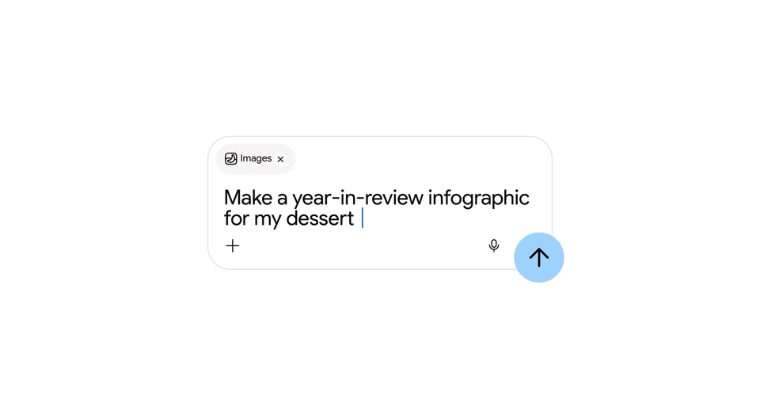
The core idea of the feature is that the user no longer needs to describe or elaborate in their prompts. Google’s Gemini will use Personal Intelligence with Nano Banana and Google Photos, so as to generate creations which reflect users’ taste and lifestyle, based off of their connected Google apps. In practice, the prompts get shorter and the results get more specific. Instead of typing “create an illustration of me and my favorite things, like coffee and baking,” one would only need to say “create an illustration of me and my favorite things,” and Gemini pulls the rest from all connected apps.
To do this, Google also access actual photo library. If you have connected Google Photos to Personal Intelligence, Gemini uses real images of you and your loved ones to guide the generation, leveraging the people and pet labels in your library. Say if you want a claymation image of you and your family, and it can build it from the faces it already has.
What Google Gemini’s Personal Intelligence
Launched in January 2026, Google’s Personal Intelligence lets Gemini access text, photos, and videos from Gmail, Calendar, Drive, Google Photos, YouTube, Search, Maps, and other first-party apps. Until now, it mostly powered text, answering questions about travel plans by reading Gmail confirmations, or made shopping suggestions based on purchase history. However, now Nano Banana adds onto this same personal context to images. with a visual output.
Using the feature is optional, and Google has built in some controls. Users can decide which apps Gemini can access, and adjust the connection at any time. Once enabled, Personal Intelligence becomes the default for every prompt but can be turned off via a new toggle in the Tools menu. In addition to this, each image generated with Nano Banana also shows the “Sources” button which shows which personal data was used.
When & Who Can Access This Gemini Feature
The free expansion comes with age limits that split generation from editing. Any US user aged 13 or older can generate images informed by their Google account data, while editing capabilities remain limited to users 18 and older. Free does not mean unlimited. Free-tier users will receive limited quotas before reverting to the original Nano Banana model. That is the upsell mechanism. The base experience is open to everyone; the higher ceiling stays behind a subscription. Google’s move focuses on the scale as it opens one of Gemini’s most distinctive features to the app’s broader user base, which reached 900 million monthly active users at Google I/O last month. Meanwhile tech enthusiasts are looking forward to Gemini 3.5 Pro, leaks and rumours of which recently surfaced online.
How Google Plans to Compete its Rivals with Personal Intelligence
One of the major competitors of Google’s Gemini is ChatGPT, and the latter’s image generation has driven significant engagement for OpenAI, and now Apple Intelligence is weaving on-device AI across the iPhone ecosystem using it. Google’s answer is to compete on the one thing rivals cannot easily replicate, which is to lean into personal data across Gmail, Photos, Drive, Calendar, Maps, and Search. This also fits a pattern Google has run all year. It is the latest step in a broader push from I/O 2026, where Google announced the Spark autonomous agent, the Daily Brief digest, and a price cut bringing the Ultra tier from $250 to $100 per month. The strategy is consistent. Expand the free tier to grow the base, then upsell power users on quotas and exclusive features