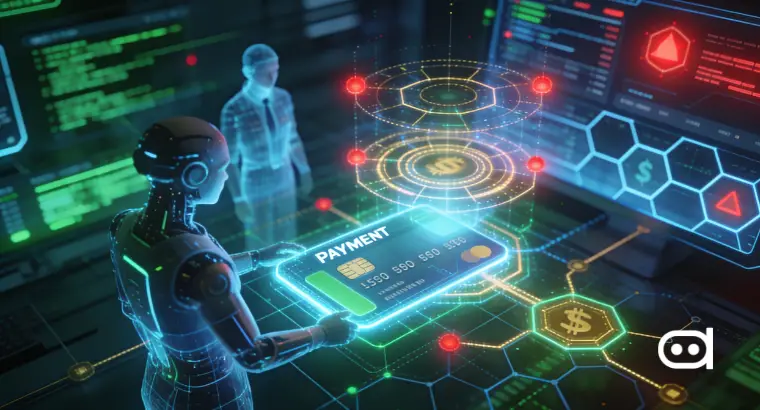
Everyone’s racing to make digital assistants smarter. They can already research products, compare prices, book gigs, even negotiate deals. But there’s always been one step they can’t take without humans: the actual payment. Every time you buy something, you still need to approve the transaction with a PIN, OTP, or through your banking app. It’s the one spot where humans still keep a tight grip on things.
Pine Labs thinks they’ve figured out how to change that. The fintech firm just launched P3P, a Pine Labs Payment Protocol which they call India’s first agentic payment protocol built on UPI. The idea is to let AI agents finish the whole buying process for users, as long as they stick to set spending limits and follow clear consent rules. While the innovation could unlock a new era of autonomous commerce, it also raises an important question: how safe is it to let an AI spend money on your behalf?
How Safe is Pine Labs’ P3P for Users?
Safety is obviously the big concern for both customers and regulators. Letting AI run and make purchases on its own sounds pretty risky, especially in a country where digital payment fraud keeps making headlines.
Pine Labs is tackling this by building P3P with consent-based mandates instead of giving AI free access to your bank account. You can set the spending limits upfront, so your AI can’t just buy whatever it wants. It only acts within boundaries you set, and can’t make purchases unless you’ve already approved.
On top of that, the protocol uses authorization tokens and verifiable receipts for every AI-driven transaction. That means there’s a transparent record of what was bought, when, and under which authorization. Still, the whole system depends on how these AI agents are trained, monitored, and authenticated. A poorly designed AI could misinterpret user instructions, while compromised agents could become attractive targets for cybercriminals.
Right now, the protocol’s safety rests on three things: explicit user consent, spending limits you set, and full traceability at the transaction level. Whether that’s enough to convince everyone to trust it remains to be seen.
India is now ready for autonomous Agentic payments. We just demonstrated a LIVE transaction between 2 agents, end to end using UPI as the payment layer
— Amrish Rau (@amrishrau) June 11, 2026
We had to solve for two major areas:
1. A highly sterile environment for the agents to operate in. Identity, authority, spend…
How P3P Enables AI-Powered Payments
P3P wants to remove the last barrier to truly autonomous digital shopping. AI assistants do everything else, they find products, compare prices, recommend deals. But when it’s time to pay, you still have to step in.
Step 1: User Grants Spending Authorization
First, you set the rules. You tell your AI what it can spend, where, what kinds of purchases are okay, and for how long.
Step 2: AI Agent Searches and Makes Decisions
With your approval in place, the AI checks out products, tracks prices, weighs offers, and looks for the best deal, all according to your preferences.
Step 3: Payment is Triggered Through P3P
If the purchase matches your rules, the AI makes payment using P3P. No need for you to enter an OTP or PIN; the protocol handles everything under the permissions you’ve already set.
Step 4: Transaction is Processed on UPI Rails
P3P runs entirely on UPI, so payments move through secure digital channels. Authorization tokens keep the AI in check, making sure it operates only inside its approved boundaries.
Step 5: Receipt and Verification Are Generated
Once the payment’s done, you get a verified receipt and a transaction record. There’s full transparency and you can audit anything your AI does.
The practical applications are significant. Imagine an AI shopping assistant automatically purchasing a product when it drops below your price threshold, locking in a flash sale deal, renewing subscriptions, or handling business procurement automatically.
For now, P3P relies on UPI rails, which makes sense since India is leading the digital payments markets. Pine Labs has also indicated that support for cards and additional payment methods is expected in the future.
Also read: Anthropic AI Moves From Advisory to Governance for Catastrophic Risks
With the P3P protocol, Pine Labs is pushing forward into a future where AI agents are active participants in commerce rather than passive assistants. But users need certainty that AIs respect the rules; regulators want airtight safeguards, and businesses need clear accountability. If everyone gets comfortable with those protections, agentic payments might just turn AI into an important aspect of digital commerce; not just a recommendation engine, but an economic decision-maker.