AI is spreading fast across industries, pushing efficiency and innovation to new heights. But as this technology gets smarter, cybercriminals are quick to take advantage by running slick fraud operations. The Indian Government has taken notice and issued a warning about the growing threat of AI-powered cyber fraud targeting financial systems and digital verification.
The Indian Cyber Crime Coordination Centre (I4C) under the Ministry of Home Affairs put out the advisory. The focus is on fraudsters using AI-generated content, such as deepfake videos and synthetic identities, to slip past the security checks that modern finance relies on. This warning comes as concerns increase over criminals using advanced AI to impersonate real people with uncanny accuracy, creating problems for banks, fintech companies, and ordinary consumers.
How Systems are Facing New Risks to Financial Security because of AI-Enabled Fraud
The advisory focuses on financial systems facing new threats. Banks, fintech firms, and digital service providers now rely heavily on tech-driven identity verification to bring in customers, authorize transactions, and secure accounts. The advisory makes it clear that cybercriminals are using AI to break through these defenses.
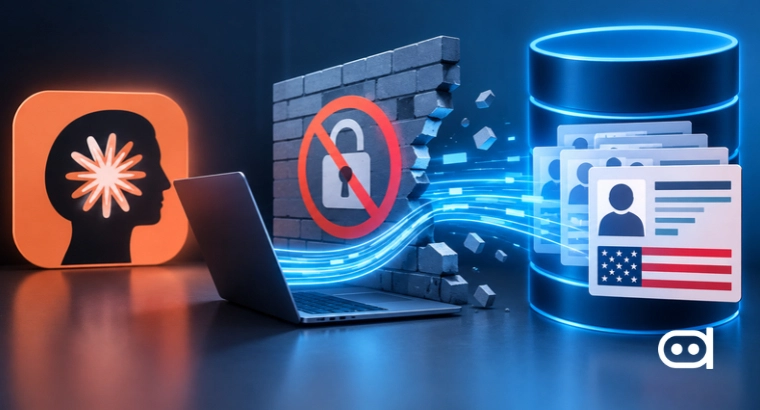
One major worry is deepfake videos and synthetic identities being used to pass through facial authentication and live checks, which is a major blow to financial security. These safeguards are meant to ensure a real person is present. But now, AI-generated content can replicate facial expressions, speech, and appearance with realism, giving scammers a real chance to sneak into financial services.
The advisory also flags risks with Video Know Your Customer (Video KYC) procedures and account recovery. As banks and fintechs ramp up digital onboarding and remote verification, these processes are becoming prime targets for criminals using AI to impersonate and exploit weak spots.
With attacks becoming more sophisticated, authorities are pushing financial institutions and fintechs to improve deepfake detection and tighten customer onboarding for better financial security. The goal is to ensure security setups can detect and handle these increasingly sophisticated forms of digital fraud.
🚨 Centre issues advisory on growing cyber threat where criminals are using Artificial Intelligence to bypass security systems and target financial infrastructure.
— All India Radio News (@airnewsalerts) June 11, 2026
💻 According to the Indian Cyber Crime Coordination Centre under the Ministry of Home Affairs, cybercriminals are… pic.twitter.com/d1Z1eVhFep
Fraudsters Are Exploiting Financial Security Through Personal Data and Digital Platforms
The advisory outlines a pattern of how criminals operate. They start by collecting facial data from unsuspecting people, then use AI to create convincing digital doubles. They usually connect with targets on social media, job sites, dating platforms, or by phone.
These interactions might seem harmless, like asking people to blink, turn their heads, or talk on camera. But all that visual and audio data can be used for creating synthetic identities or deepfakes that fool verification systems. Authorities urge everyone to be careful with biometric data and wary of video requests from strangers. Keeping facial data safe matters a lot since cybercriminals now see it as valuable ammunition for AI scams.
On top of that, individuals have been advised to watch for odd login attempts and regularly check email and SMS alerts about their finances. Spotting unusual account activity early can help limit the damage from fraud. The advisory makes it clear: report suspicious financial transactions immediately through the national cybercrime portal. Quick reporting helps authorities respond and stop further abuse of compromised accounts and identities.
Also read: Google Launches AI Threat Defense Platform for Enterprise Cybersecurity
The Centre’s advisory underscores how AI is reshaping the cyber threat landscape, particularly within the financial sector. Digital verification has made access safer, but deepfakes and synthetic identities have opened new vulnerabilities that need urgent action. The message is simple: maintaining financial security depends on staying ahead of rapid technological change and emerging threats.