Tencent Holdings is one of China’s largest organizations with their businesses spanning gaming, cloud services, social media, payments, and artificial intelligence. The company operates WeChat, China’s largest super app used by more than a billion people. The company plays a key role in the internet economy and is increasingly investing in artificial intelligence through Xiaowei to strengthen its platform. Tencent Holdings Limited has plans to launch a new artificial intelligence assistant in WeChat, depicting a new start to bolster its position in China’s flourishing market. The tool is called Xiaowei, and it is being introduced to a limited group of users to help them complete tasks within the app. As the country’s giants compete for advanced artificial intelligence in their super apps, Tencent emphasizes the strategic importance of WeChat and the rising competition to keep up with the nemesis, and has developed a way ahead.
What is Xiaowei and Its Working Structure?
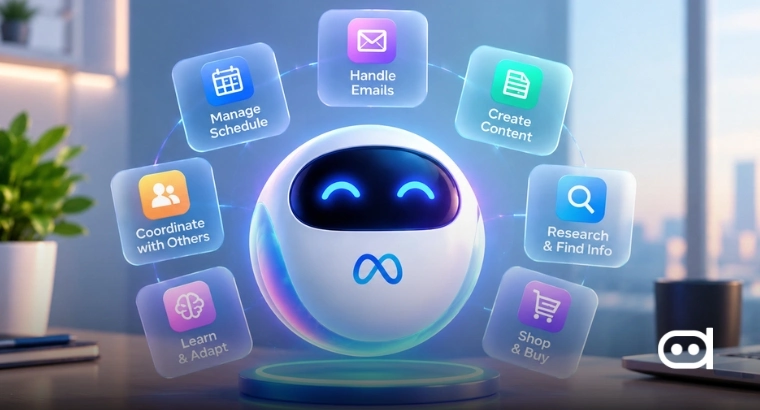
Xiaowei is the newest artificial intelligence assistant that is being embedded into WeChat, which is also known as Weixin in China. According to a declaration from WeChat, the assistant is available only to a limited group of users. Those users can interact with Zhouwei through either text or voice, making it available for daily conversations on the app. The assistant is created to help consumers complete several tasks by entering the WeChat mini-app environment.
While WeChat has not mentioned the full range of actions Zhouwei can work upon, the application already contains mini-programs for services such as food delivery and ride-hailing, depicting that the new assistant may help as a bridge between users and other built-in relevant services.
From a technical point of view, Xiaowei depends on WeChat’s inbuilt large language model WeLM. Tencent’s consumer service said that the assistant may also take help of DeepSeek to fulfill some queries, depicting a twin approach to handling user requests during the initial phase.
Also Read: OpenAI Leaks Reveal Next-Gen GPT-BiDi-1 Voice Mode Maybe Under the Works
Why is Tencent Introducing an AI Assistant?
The introduction comes amidst rising pressure in the artificial intelligence niche. Introduction of enhanced AI services inside WeChat, which is the most crucial messaging app with a billion users, could be essential for Tencent’s capability to monetize the technology. Even after WeChat’s massive user base, Tencent is described as trailing peers such as ByteDance Ltd and Alibaba Group Holding Limited in AI-powered deployment of features and development in large language models.
Embedding an artificial intelligence assistant into the WeChat infrastructure could help Tencent bridge the gap by turning artificial intelligence into a commodity rather than a standalone product. For Tencent, the necessity is looming as WeChat functions as a super app combining payments, messages, and several services. Bolstering the ecosystem with AI-driven assistance may help the conglomerate secure new users and open new ways to monetization.

Tencent’s approach is a comprehensive pattern across the nation’s technology sector, as companies continue to add artificial intelligence into their super apps to keep the users hooked. Nemesis is developing novel strategies aiming to make artificial intelligence agents key to their services. Alibaba’s fintech affiliate and group company is embedding an AI agent within its Alipay app, that feature is created to help users fulfill tasks such as booking car rides or ordering food takeout directly through artificial intelligence interactions.
These new features underline a common goal of developing AI into an active agent that helps users complete their real-time tasks instead of being a standalone platform. Within this range, Xiaowei’s interaction with WeChat’s mini app is crucial. By embedding AI into the services that the users already depend on, Tencent resonates with a comprehensive push to make super apps beneficial, efficient, and cool.
Despite the test, WeChat hasn’t revealed what Xiaowei’s enhanced capabilities are. The company has said that the assistant helps users with several tasks. This lack of information suggests that the product is still under experimentation. The restricted rollout also depends on Tencent, which may monitor user behavior and develop the app accordingly. How well XiaoWei understands the user, manages interactions, and merges new services with existing ones will determine the future of WeChat.
Tencent’s introduction of Xiaowei AI Assistant is a crucial step towards strengthening its position in the environment by integrating artificial intelligence into its core platform. Tencent signals a future competition will have AI at its core. Whether Xiaowei can help Tencent to build the gap will depend on its ecosystem and user experience.