Key highlights:
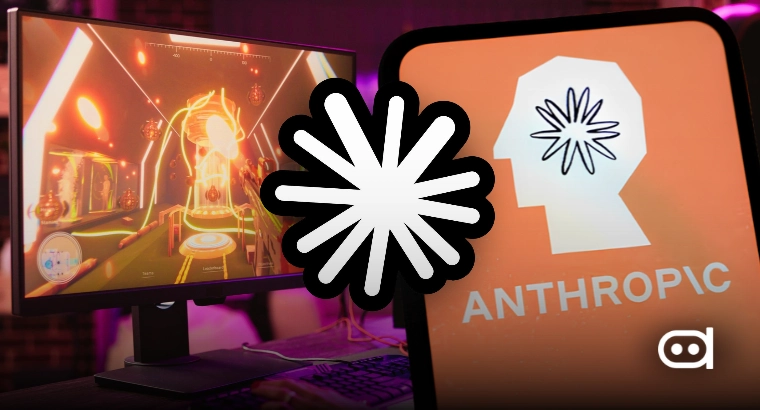
- Anthropic has changed Claude’s rules so it won’t recreate specific existing video games, even if someone tries to hide the original by changing names.
- The company still lets people use Claude to make original games, games based on general genres, or projects where users provide their own designs and assets.
- This change comes after more people started using AI tools to rebuild famous AAA games for web browsers.
- Anthropic continues to deal with copyright concerns, including a reported $1.5 billion settlement involving authors, and a recent lawsuit by the estate of Elvis Presley.
Anthropic just put new limits on how people can use Claude to help make video games. Basically, they want a clear difference between making something new and making a copy of a game that’s already out there. Users can build their own original games and play around with game genres, but Claude is now supposed to refuse any requests to recreate an existing, specific game, even if someone gives it a totally different name or claims it’s a new idea. These updates are a response to the fact that AI already makes it much easier to put browser versions of famous games online, which is raising big questions about how AI should deal with copyrighted materials.
Claude Gets New Rules for AI Game Development
The new rules for Claude put a spotlight on the line between new creations and copying. Now, Claude can help people develop original games, work on genre-based projects, or use assets and designs provided by the users. But the AI isn’t supposed to rebuild a particular game that already exists, even if the person tries to disguise it with a different name or describes it as their own project.
Addy Osmani, who’s on Anthropic’s technical staff, confirmed the update on X and said Anthropic wants to steer Claude away from copying other people’s games. Letting Claude help with copying someone else’s work goes against Anthropic’s policies.
Osmani made it clear that these rules aren’t meant to stop people from playing with game ideas or learning about game development. If you want to use Claude to build a game from scratch, experiment within classic game genres, or start with your own assets, you’re good to go. The main thing is, don’t use Claude to rebuild a specific, existing game.
Anthropic says it’ll keep looking at how to get this balance right. The goal is to let people be creative with Claude, while making sure the AI isn’t used to copy someone else’s game.
🚨 JUST IN: Anthropic bans users from recreating existing video games with Claude Code amid a viral AI reverse-engineering trend. https://t.co/X5hl8rzdZh
— Cointelegraph (@Cointelegraph) November 1, 2026
Growing Use of AI to Recreate Games Raises Copyright Concerns
These new rules appear just as more people are starting to use AI to rebuild popular video games from the past. Recent AI projects have made it possible to play famous AAA games like Halo: Combat Evolved, Call of Duty: Modern Warfare 2, and Grand Theft Auto V right in your browser.
AI can help people create playable versions of famous games pretty fast. But copying a specific commercial game just isn’t the same as making something new that happens to share a genre. Anthropic’s new rules address this by letting people keep working on new games or classic styles, but telling Claude not to copy a particular game outright.
Anthropic’s latest update also comes after past legal trouble over copyrighted content. Last year, they agreed to pay $1.5 billion to settle a class action lawsuit from 500,000 authors who said Anthropic used their books to train its AI. And now, the estate of Elvis Presley is suing the company for similar reasons. These legal battles highlight just how complicated copyright gets with AI, though the author and Presley lawsuits aren’t specifically about these new game-focused rules.
Claude’s updated guidelines show how copyright questions are spreading to AI-generated content like games and software. By separating new game creation from copying existing titles, Anthropic wants to avoid potential copyright infringement without stopping creative projects with its AI. Anthropic says it will keep changing its approach to support creativity while making sure its technology doesn’t get misused.