- Inbolt just rolled out two new AI vision features: Robot Programming and Robot Guidance, they are designed to make industrial robots easier to program and operate in manufacturing.
- These tools build on Inbolt’s existing AI robotics platform, connecting CAD-based programming directly with what’s happening on the factory floor.
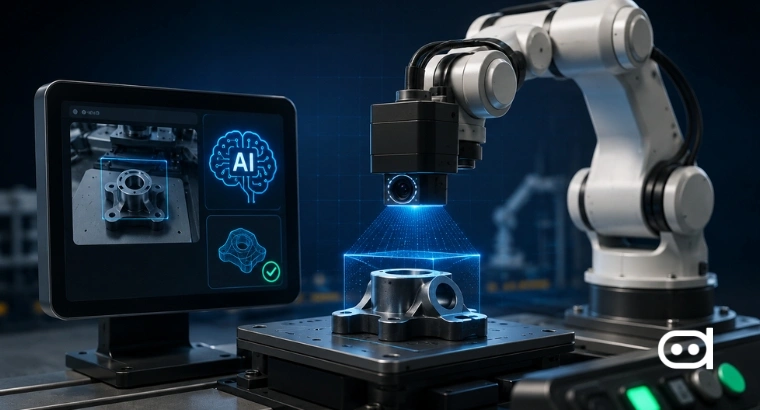
- Using AI vision, these capabilities generate robot trajectories straight from CAD models, and let robots adapt to variations on the factory floor through real-time guidance.
Inbolt, an industrial robotics software company, developed these new AI vision tools to tackle a familiar problem in factories: making sure robot programs created in digital environments actually work in the real world. Now, Robot Programming and Robot Guidance join their suite of AI solutions, giving vision technology a bigger role from robot setup through daily operation.
Manufacturers are looking for automation systems that are quick to deploy and flexible enough to handle shifting production needs. Inbolt’s move to integrate AI vision into both programming and execution workflows is meant to close the gap between digital designs and real manufacturing, so teams spend less time manually tweaking robot actions during rollout.
Inbolt Expands its AI-Powered Robotics Platform
Inbolt started with the goal of helping industrial robots see and respond to their environment using AI vision. The company aims to boost robot accuracy and flexibility, especially where factory conditions change from one cycle to the next. With this launch, Inbolt is introducing two features designed to support both robot deployment and operation.
1. Robot Programming
Robot Programming lets users generate robot trajectories right from CAD models. Normally, engineers lay out robot paths digitally, then have to go back and fine-tune those paths on the factory floor because the real setup never matches the virtual model perfectly. The new feature is supposed to make that whole process easier by tying together CAD planning and the actual work environment using AI vision. When manufacturers generate paths from digital blueprints, they can skip some of the manual programming and adjustments they used to need.
2. Robot Guidance
Robot Guidance takes care of the robot once it’s already working. It uses AI vision to help robots adjust during operation like when parts aren’t lined up exactly where they should be. The system looks at visual data in real time, correcting robot trajectories as needed and helping robots stay accurate even when factory conditions aren’t what the original programming expected. This makes robotic operations a lot more adaptable in day-to-day production.
How AI Vision Connects Digital Planning and Live Factory Work
Robot Programming and Robot Guidance show a bigger push to put AI vision at the core of industrial automation, not just for inspections, but shaping how robots are programmed and guided.
The main goal is to shrink the gap between digital planning and actual factory execution. CAD models and simulations are central to modern manufacturing, but it’s still difficult to turn those plans into reliable robot moves. Factory setups change, environment conditions shift, and those variables rarely make it into the original programming.
Inbolt’s approach seeks to address these challenges by combining CAD-based trajectory generation with vision-driven operational guidance. The result is a workflow in which robots can be programmed from digital designs while also retaining the ability to adapt to actual factory conditions.
This development also underscores how much software matters in industrial robotics. Manufacturers want more flexibility, faster deployment, and better efficiency. That means AI-driven platforms, especially those with vision tech, are critical not just for rigid automation, but for robots that need to handle dynamic production environments.
Also read: Amazon is Turning Warehouse Robots into Physical AI Assistants with Proteus
With Robot Programming and Robot Guidance, Inbolt adds two major pieces to its AI vision platform. By addressing both robot setup and operational adaptability, the company is positioning vision technology as a core element of industrial automation. As manufacturers continue to seek ways to connect digital engineering tools with real-world production demands, solutions that combine AI, vision, and robotics are expected to play an increasingly important role in the evolution of factory automation.