- Anthropic is said to be working on its always-on AI agent, Conway, that runs nonstop, handling events and carrying out tasks on its own, without users needing to keep prompting it.
- The project brings a fresh interface with extensions, automation triggers, and even browser-level control.
- This could be a big shift: moving away from chatbot-style AI and toward digital agents that just stay active and work autonomously.
The latest reports about Anthropic’s experimental agent point to a major change in how AI systems are built and used. Instead of waiting for you to assign a task, this new system looks designed to work along in the background, keeping an eye on inputs and acting on it when needed. It’s a real departure from the standard prompt-and-response model.
Conway mixes a new user interface with more advanced system capabilities. It’s not stuck in endless chat windows, instead, it can run ongoing workflows. Even though Anthropic hasn’t officially announced it yet, the details point to a shot at reinventing how people interact with AI, both at work and at home.
From back-and-forth to real autonomy
What really sets this system apart is that it’s always on. Old AI tools wait for your prompt, but this agent stays awake listening for things like new emails, calendar events, or outside updates. When something’s up, it can work on multi-step tasks on its own and let you know when it’s done.
Instead of walking an AI through a task prompt by prompt, you can set some rules or goals and let it handle the process. So, in practice, it might be monitoring communications, churning out reports, or tackling routine chores, all without any human intervention.
That kind of setup matches where the industry’s already headed, that is toward deeper automation, but Conway pushes further by weaving AI straight into digital workflows. It’s shifting away from “assisting” to actually substituting for people, at least for repetitive or urgent jobs.
Also read: How Anthropic’s “Conway” Could Change AI’s Future Forever
Interface, extensions, and ecosystem goals
This system isn’t just a basic chat interface; it sets up a more organized workspace where people can actually manage, monitor, and expand what the agent can do. The whole approach looks like it’s leaning toward an AI workspace that mixes the familiar feel of software dashboards with the freedom of autonomous intelligence.
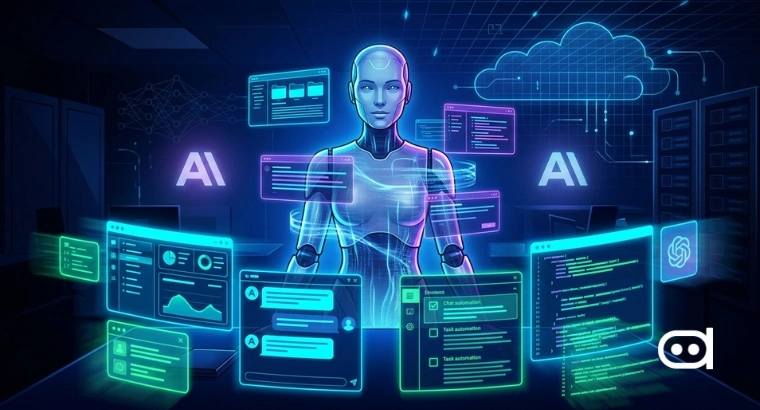
Multi-panel interface: Instead of a plain chat window, you get specific panels for search, chat, and system controls. It makes it easier to see what’s happening and monitor your tasks.
Extension support (.cnw.zip files): The system lets you plug in add-ons packaged as extensions. So whether you’re a user or developer, you can easily bring in new tools, change workflows, or unlock extra features right inside the agent.
Webhook-based triggers: The agent doesn’t have to wait for you. When it sees external events like getting an email, a calendar reminder, or a push notification, it jumps into action on its own.
Cross-platform consistency: No matter if you’re using the web or your mobile device, you’ll find the same layout, environment, and settings. That way, your agent feels familiar and seamless everywhere.
Browser and system control: The agent isn’t just offering advice, it can click around, visit websites, and even run code directly.
Ecosystem potential: With support for extensions and integrations, there’s a clear path here for a broader developer community.
Conclusion
Even though it’s still being tested and there’s no timeline for launch, the arrival of this always-on agent shows where AI’s heading. The focus isn’t on chat anymore, it’s about staying active, keeping processes running, and shifting from one-off questions to persistent collaboration.
This kind of AI could overhaul workflows, make interfaces a lot more fluid, and turn users into supervisors rather than hands-on operators. But handing off work without constant oversight raises questions about how much control and transparency users really have, and how much you can trust the system to get it right.
What emerges here isn’t just a new batch of features, it’s a rethink of how AI fits into day-to-day tech life. Whether this vision turns out as expected is still up in the air, but the direction’s clear: soon, AI may not be waiting around to be told what to do.