Key Highlights:
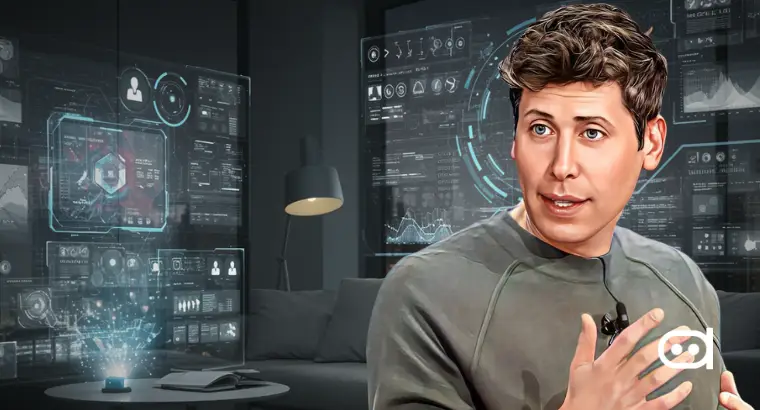
- Sam Altman is intent on expanding its human verification system through the World project, starting with Tinder. Its main goal is to handle fake profiles and AI generated identities online.
- The rollout involves biometric verification via iris-scanning devices called Orbs to create a unique digital identity.
The internet has always struggled to figure out who’s real and who’s not, but now that AI-generated profiles are everywhere, the issue’s gotten worse. There are convincing synthetic identities that act just like real people everywhere. Sam Altman’s World project sees itself as the fix, aiming to build a universal system to separate humans from machines.
The newest step is to plug World ID into Tinder, one of the biggest dating platforms out there. Tinder’s betting that World ID verification is the way to cut down on fake accounts and rebuild trust among its users. The tech is pretty clear: you scan your iris, and the system gives you a digital identity you can use across different platforms. It is a win for authenticity online, but it also raises tough questions about privacy, data control, and the way we handle digital identity going forward.
The Fight Against Bots
Dating apps are a natural playground for identity verification tech. Fake profiles, romance scams, and AI-generated personas have chipped away at trust on platforms built for real human connection. Tinder’s jump to World ID signals that old verification methods, like email confirmations or photo checks, just aren’t enough anymore.
According to reports, World’s approach stands out as instead of going through paperwork or tracking users’ behaviour, it zeroes in on biometrics. The system scans your iris to create cryptographic proof that you’re a unique person. Then you can use that proof without constantly sharing personal data. For users, it’s simple: verify once and unlock trust everywhere.
But relying on physical devices brings problems. Not everyone has access, so people in some regions might get left out. Collecting biometric data, even when anonymized, makes privacy advocates nervous. For some, tying identity to physical characteristics feels risky or invasive.
Also read: Sam Altman Warns Government of Future AI Disruption
A Universal Identity Layer
Tinder is just the start. World’s bigger plan is to embed this verification system across all kinds of digital sectors. Video calls, online markets, wherever humans and machines mix, World wants you to prove you’re real as easily as logging in.
This reflects a major shift in how the internet works. Anonymity used to be the norm, but now authenticity matters more. A universal proof-of-human system could change everything from social media to banking.
That said, the push isn’t going unchallenged. Governments and regulators are watching closely, especially since biometric tech crosses borders. People are worried about who controls their data, about consent, and what happens if the system gets abused. There’s also the danger of building a two-tier internet, that is, verified users get perks, everyone else gets shut out.
As AI gets smarter, impersonation will get much easier. Platforms that don’t address this risk will be swamped by bogus activity, eroding trust and undermining their value.
Conclusion
World’s move into Tinder is a big shift in how we think about identity technology. It highlights the real threats posed by AI-driven impersonation and shows how far companies are willing to go to fight back. The promise of a safer, more trustworthy internet grabs attention, but getting there isn’t simple.
This project’s success isn’t just about nailing the technology. It depends on how well it deals with concerns over privacy and accessibility. As things move forward, this experiment might well shape how people in the future tackle a question that’s turning into a central part of digital life: not just who we are online, but how we prove we’re human at all.