Key Highlights:
- Created for entry-level laptops, especially for students, families, and small businesses, with OEM partners including Acer, HP, and Lenovo.
- Power efficiency enables all-day battery life with cool and simple designs, smooth performance for web browsing, video streaming, and video calls.
- Integrated NPU brings AI capabilities to entry-level PC.
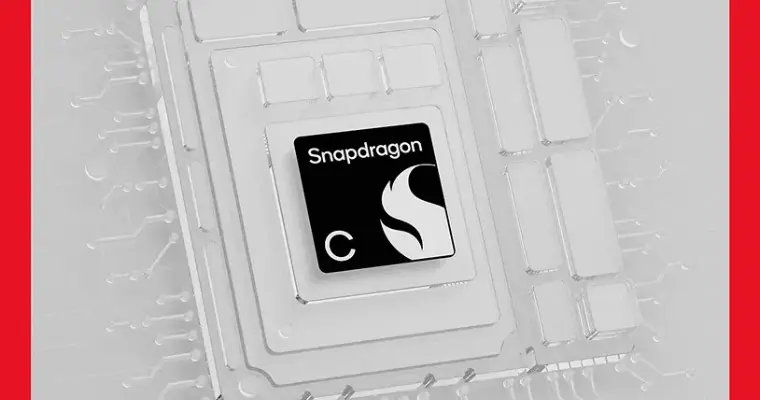
Snapdragon C platform, a venture by Qualcomm Technologies, aims at creating efficient computing, accessible to students, families, and small businesses. Unveiled at a time when PC buyers are price-sensitive, yet expect long battery lives and AI features, Snapdragon is designed to power laptops starting at around $300 and above.
What is Snapdragon C, and Who is the Target Audience?
Qualcomm introduced the Snapdragon C platform to expand its venture in the market for those who look for cheap PCs built for entry-level laptops. It focuses on consistency without sacrificing the portability of the PC. Snapdragon C is positioned as a remedy for users who need reliable PCs for daily tasks rather than advanced creations.
At its foundation, Snapdragon C is created to handle daily routine work, including editing, web-based applications, media, and video conferencing, which are key to entry-level laptops.
Qualcomm’s target group is students, small businesses, and families, and those who operate in retail, education, and services. These users look for affordability, a good battery life, and a lack of dependency on computing power.
By targeting this segment, the company aims to broaden access to computing services, particularly in platforms where price sensitivity is a core issue, alongside responsiveness and battery power.
Why Does it Matter
The arrival was the succumbs to rising component costs and high expectations in the market spectrum. Entry-tier laptops have faced challenges such as shorter battery life, noisy systems, or under-the-belt performance. The company aims to change that by emphasizing power efficiency as a distinct feature.
Another aspect is the inclusion of an integrated NPU, which is the Neural Processing Unit. A Neural Processing Unit is a chip that is added to upcoming laptops to manage artificial intelligence and machine learning tasks.
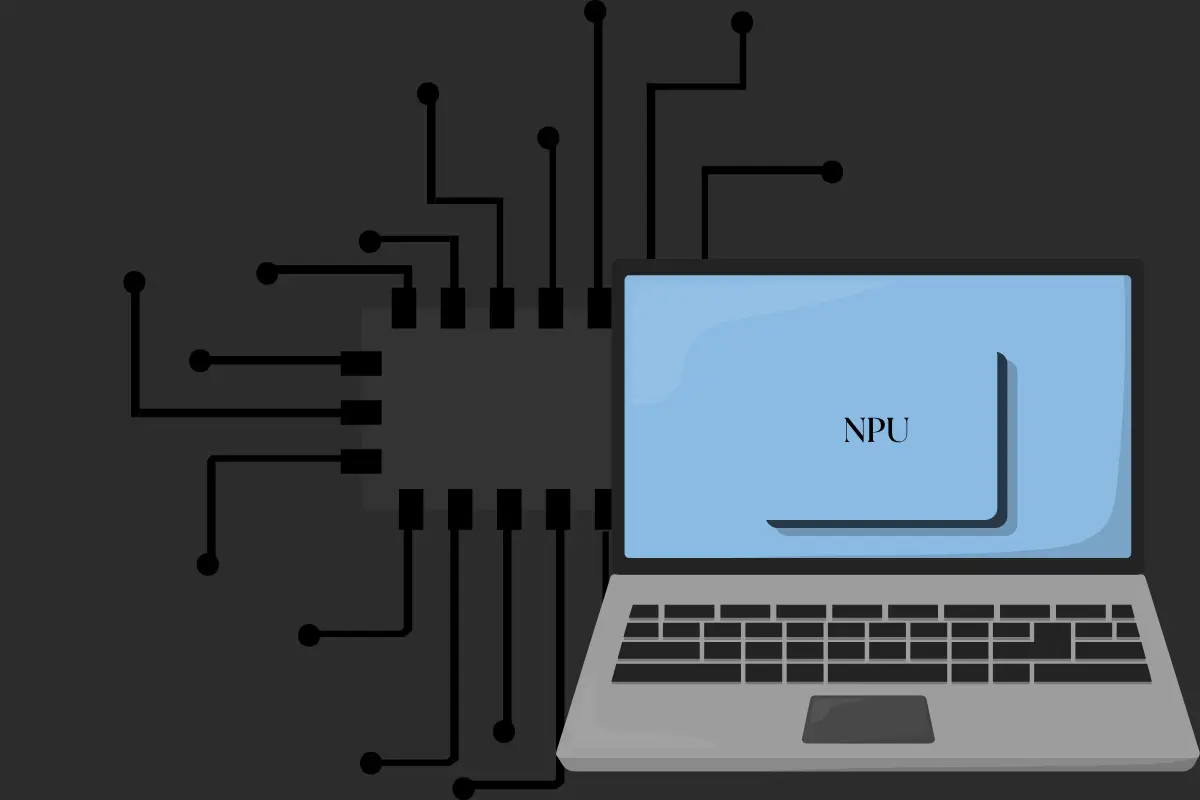
While the artificial intelligence features have become a norm in devices, bringing those capabilities to entry-level PCs shows Qualcomm’s way to secure low-cost laptops as mainstream applications.
According to Kedar Kondap, Senior Vice President at Qualcomm Technologies, as the cost increases and the customer has diverse expectations, Snapdragon C aims to bring value computing with a good battery life and AI capabilities.
How does Snapdragon C Deliver?
Snapdragon C is based on efficiency, which enables the laptops to remain cool while consistently working throughout the day. The organization highlights that the performance is created in a way to support all-day battery life, reducing the need for frequent charging.
The NPU embedded also allows sorted AI workloads to be processed within the device, improving responsiveness and reducing dependency. This approach resonates with upcoming trends in device AI with affordability.
With the arrival of Snapdragon C, Qualcomm aims to extend its PC venture beyond entry-level devices, adding to offer scalable computing platforms across different price ranges. By blending effectiveness, AI integration, and a decent price structure, the company positions itself as an attractive alternative in a market dominated by x86-based processors.
As AI is a key feature, it does increase the expectations rather than being a premium addition. Snapdragon C depicts that inclusive access to intelligence without compromising the basics matters to the user segment.
Conclusion
Qualcomm Technologies introduces its Snapdragon C platform for its entry-level computers. Altogether, Snapdragon C focuses on effectiveness, persistence, and embedding AI. By delivering minimalistic and simple designs with a good shelf life and integrated AI, it pushes computing to a new level. The devices will arrive late this year and will set new expectations for entry-level laptops targeting students, families, and small businesses.