Key Highlights:
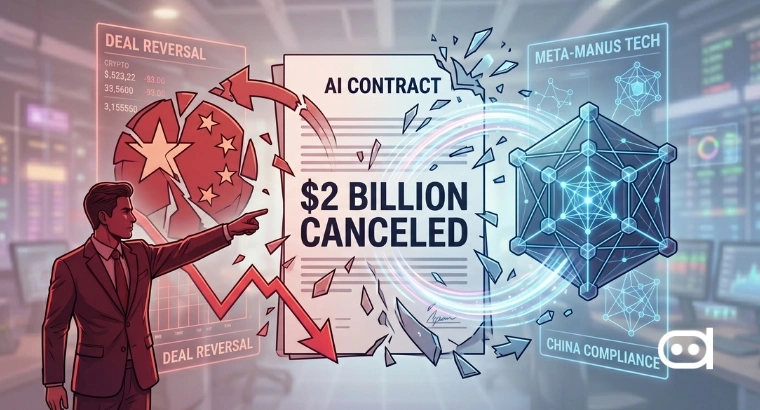
- China has reportedly ordered Meta Platforms to reverse its $2 billion acquisition of AI start up Manus, after the deal was already wrapped up.
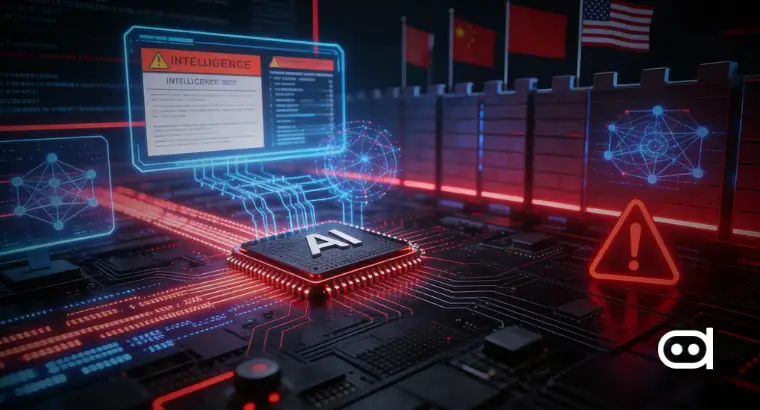
- Chinese regulators made the call on national security grounds, pointing to concerns about who controls artificial intelligence technology.
- This move highlights the ongoing geopolitical tensions in the AI sector and signals stricter scrutiny on cross-border tech deals involving Chinese companies.
China’s decision to unwind a completed acquisition is a rare move in global market. Meta Platforms bought Manus in late 2025, but under pressure from regulators, the deal is now being undone. Governments aren’t hesitating to intervene when strategic technologies are at stake.
Artificial intelligence has become a crucial pillar for both economic and national power. Manus, known for its autonomous AI agents that handle complex tasks, was in high demand for anyone chasing advanced AI. Its global appeal was strong, but Beijing saw real risks and decided to break off the deal.
Why did China Block the Deal
Chinese regulators justified their decision using national security like they usually do in the advanced tech environments. Officials are worried that letting a foreign company like Meta control Manus would mean sensitive tech, talent, and data might fall outside China’s borders.
Even though Manus had shifted its headquarters abroad, regulators still treated it as a Chinese-origin company and claimed authority over its ownership. China has always made sure that companies with Chinese roots, especially in AI, semiconductors, or advanced computing, remain under scrutiny, no matter where they shift their headquarters to.
Start ups relocating abroad to chase funding from foreign companies or make acquisitions easier is another recent ongoing trend. Beijing wants to close that door, highlighting how moving overseas isn’t enough to avoid oversight at homeland. Forcing the reversal of a completed deal sends a clear warning to other Chinese companies thinking of following a similar path.
Also read: China’s Start-ups Face AI Distillation Allegations
How Will this Impact Global Tech and AI Industry
For multinationals, the decision adds a new layer of uncertainty in cross-border deals, especially in emerging tech fields. Transactions that used to seem straightforward, now come with geopolitical risk, even after closing the deal.
If a government can block or reverse a backdated deal, it shakes the confidence in deal security and valuations which raises concerns among investors. Start ups tied to China could potentially have a tougher time finding foreign buyers, which limits their options for exits and could impact funding.
The move also deepens the already growing gap between China and Western tech ecosystems. As both sides aim for self-reliance and control, working together gets harder, especially in high-stakes areas like AI. Meta Platforms and similar companies face bigger challenges managing regulatory risks shaped by national interests, not just business.
Moreover, it’s obvious that artificial intelligence isn’t just a business matter anymore, it has become a geopolitical concern. Governments treat AI capabilities as assets to defend, just like energy or defence tech. That new mindset will shape policy, investment, and business strategies for the future ahead.
Wrapping Up
China’s order to unwind Meta’s $2 billion Manus deal sends a strong message about how China won’t give up control of advanced AI tech so easily, no matter how corporate structures are set up or whether deals are done or not. This move shifts expectations for global tech investment.
With regulatory scrutiny getting tighter and rising geopolitical concerns, companies and investors will need to adjust to a much more complicated environment. Figuring out how to balance innovation, market access, and national security is only getting tougher and this situation may be just the beginning of bigger battles that are coming.