Key Highlights:
- The PS6’s report material bill has escalated from around $760 in March to around $960 in July.
- The console’s RaM and SSD reportedly cost more than $680 combined, potentially leaving Sony with restricted room to price the next-gen system affordably.
- Rising demand for memory and computing components from AI data centers could contribute to higher console prices and extend the PS5’s relevance into the next generation.
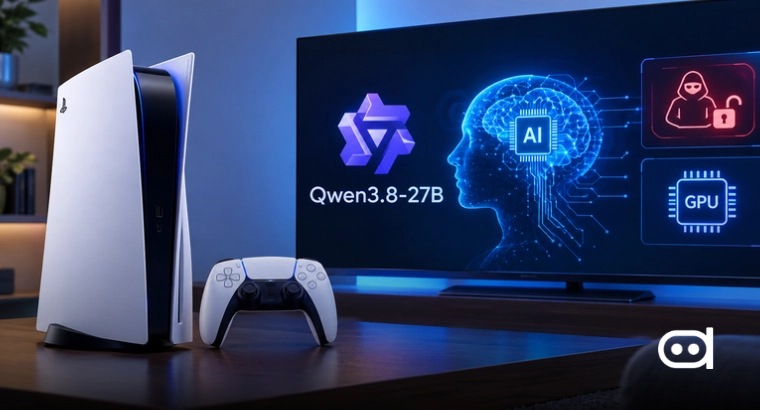
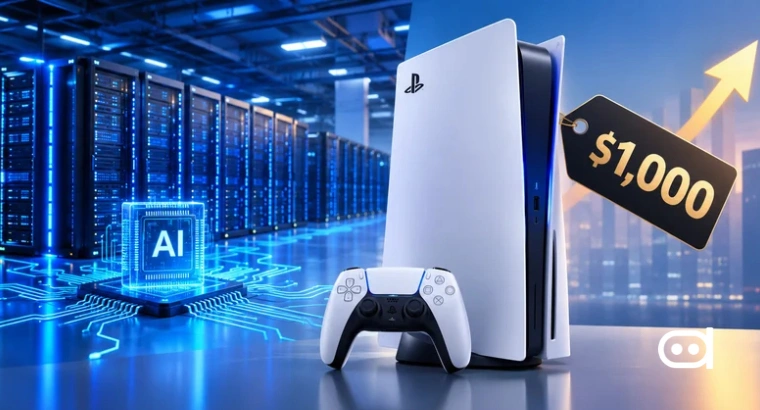
Sony’s next-generation PlayStation console could face a difficult roll out as rising memory and component costs threaten to push hardware prices beyond what many consumers can afford. As per hardware leaker KeplerL2, the reported cost of manufacturing the PS6 has climbed substantially in recent months. It includes memory components alone accounting for a significant portion of the bill. The claims come amid growing demand for computing hardware from artificial intelligence data centers, which is putting pressure on the supply of components used across the technology industry.
If these cost estimates prove correct, Sony could face a difficult option between absorbing higher manufacturing expenses and passing them on to consumers. The situation could also affect how quickly developers and players move away from the PlayStation 5.
Why Could AI Data Center Demand Make the PS6 More Expensive?
The reported manufacturing cost of the PS6 has increased sharply in recent months, as per KeplerL2 who has discussed Sony’s next-generation plans on the NeoGAF forum. In March, the leaker allegedly estimated that the console would cost Sony around $760 to manufacture, potentially allowing the firm to sell it for $699.99 with a subsidy. By July, however, the reported bill of materials had risen to approximately $960, making the price point considerably more difficult to sustain.
The latest claim indicates that the console’s memory components, including RAM and solid-state storage, now cost more than $680 alone. That figure would leave little room for other major components, including the processor, graphics hardware and cooling system, before accounting for extra manufacturing and distribution expenses.
These figures remain unofficial estimates rather than confirmed Sony manufacturing costs or an announced retail price. Nevertheless, they demonstrate the potential financial pressure facing next-generation hardware if component prices continue to rise. The broader concern is the growing demand for computing infrastructure used to train and operate AI models. Data centers require substantial quantities of memory and other advanced components, creating competition for resources also needed by consumer electronics manufacturers. If that demand continues to surpass supply, firms producing gaming consoles, computers and other devices could face higher procurement costs.
PS6 Price Tag Facing $1,000+ Nightmare as AI Data Centres Send Component Costs Soaring https://t.co/cjLoTTAox7
— Push Square (@pushsquare) October 17, 2026
For Sony, the challenge would be deciding how much of the increase it can absorb. Selling hardware below manufacturing cost can help a platform appeal to users, but a reported component bill approaching $1,000 would make a heavily subsidized launch increasingly expensive. Passing the full increase on to consumers, meanwhile, could make the console less accessible to mainstream buyers.
The probable consequences extend beyond PlayStation. If memory and other critical components remain costly, higher production costs could affect a broad range of consumer electronics. However, the extent of any price increases will depend on future component pricing, supply conditions, manufacturing decisions and the strategies adopted by individual firms.
Could Higher PS6 Prices Extend the PlayStation 5’s Life Cycle?
A more costly PS6 could push Sony to depend on its PlayStation 5 user base for longer. The PS5 already has an established audience, giving the conglomerate an incentive to continue supporting the present generation while the next console faces potentially difficult launch economics.
A prolonged cross-generation period could allow developers to release games for both the PS5 and PS6 rather than shifting their attention to the newer system. That would help maintain access to Sony’s existing audience, especially if the next console releases at a price that restricts adoption.However, a longer transition could also make it strenuous for Sony to illustrate why consumers should upgrade. The PS6 is rumored to provide around twice the performance of the PS5. This could support improvements in graphics and overall game performance. Its hardware gains may be less persuasive to consumers if they must pay significantly more for experiences that are also present on their existing consoles.
Reports have also indicated that Sony could develop a handheld model alongside the PS6. Such a device could provide another way to extend the PlayStation ecosystem. It would also face its own hardware cost challenges if it depends on expensive memory and computing components. For game developers, the combination of a high launch price and a large PS5 audience could affect decisions about exclusive releases. The manufacturing cost claims also arrive amid broader questions about the economics of gaming hardware. Sony has faced criticism over its recent PlayStation decisions. The reported component increases point to a challenge that may extend over the company itself.
Ultimately, the PS6’s eventual price will depend on factors that remain ambiguous, including component costs, production efficiencies, and Sony’s pricing strategy. The reported figures do not establish the console will launch above $1,000. They emphasize how competition for memory and computing hardware, driven by AI infrastructure, could make the next console cycle difficult. If those thresholds cease to exist, affordability may become one of the defining challenges for Sony and the broader gaming industry as they prepare for the next generation.