- Google I/O 2026 is set for today at the Shoreline Amphitheatre in Mountain View, California. The spotlight is on AI and Google has already confirmed it’ll be unveiling big updates for Gemini, Android XR, and a lineup of AI-powered consumer hardware.
- Google’s putting AI at the core of everything: phones, laptops, wearables, cars, and mixed-reality devices.
- The company’s shifting away from standalone apps to always-on AI systems living inside the entire ecosystem.
There’s already a lot of hype leading up to Google I/O 2026, especially after the AI previews at the Android Show: I/O Edition earlier this month. Last year, hardware and software shared the stage pretty equally. Not this year. AI is taking over the agenda, driving almost every major announcement.
Whether it’s Gemini-powered Android experiences, new XR glasses, or AI-enhanced productivity tools, Google wants to make AI the “intelligence layer” for every device it ships.
Google I/O kicks off tomorrow and this is going to be an event packed with huge announcements!
— Shishir (@ShishirShelke1) May 18, 2026
Here's what to expect:
– Major Gemini updates (Gemini
3.5/4.0, multimodal Al, agentic capabilities)
– New video generation model (Veo 4/Omni)
– AI integrated deeper across Search,… pic.twitter.com/2dSkOb3CH0
Gemini 4.0
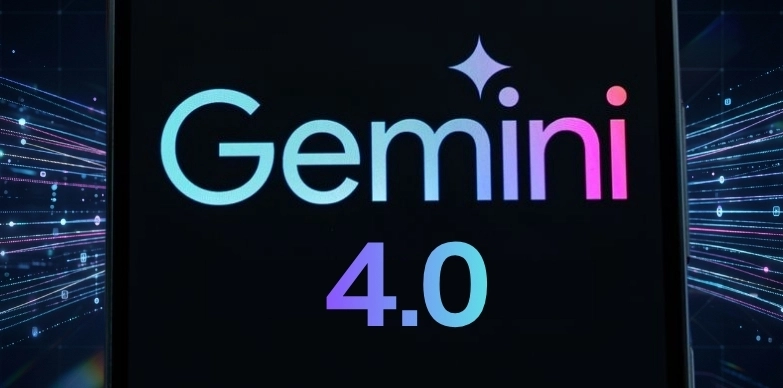
At the center of it all will be Gemini 4.0. Google’s determined to make it the blockbuster moment of Google I/O 2026. The new model promises a serious step up in multimodal intelligence, delivering sharper reasoning, better coding, real-time interactions, and the ability to tackle long, complex conversations.
Gemini 4.0 builds on what Pro and Deep Think models brought earlier in the year. The upgrade means more autonomy, stronger voice capabilities, and deeper hooks into Search, Chrome, Workspace, Android, and Android Auto.
The big leap everyone’s watching for is Gemini 4.0’s agentic abilities. The AI won’t just answer prompts, it’ll handle multi-step workflows on its own. That’s how Google is charging right into the current AI agent race.
Android XR Smart Glasses
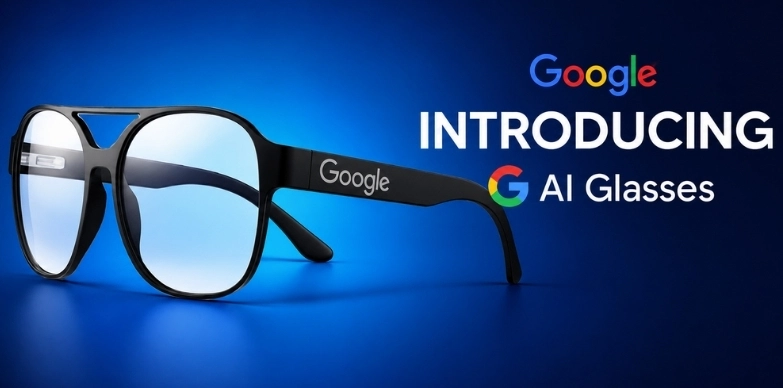
Android XR smart glasses are shaping up to be one of the hardware stars at Google I/O 2026. They’re part of the new Android XR platform Google’s been building with Samsung and Qualcomm.
These glasses are expected to put Gemini AI right in your line of sight, offering real-time help with navigation, translation, object recognition, and even natural conversation.
Android XR is being built as an open ecosystem, ready for a range of hardware partners and device types. Google’s looking to put Android XR up against Apple’s Vision line up and whatever Meta is planning with its smart glasses.
Project Astra
Project Astra has a big role to play this year as Google pushes forward with real-time, multimodal AI. Originally demoed as an assistant that can see and listen to the world around it, Astra now sits at the core of Google’s vision for ambient computing.
It brings together camera input, voice commands, memory, and context awareness to create an AI assistant that’s always working quietly in the background. At Google I/O, Google’s expected to show Astra fully integrated into XR glasses, smartphones, and smart home setups.
What makes Astra stand out is that it can handle live visual data and conversation at the same time. It spots objects, remembers where you are, answers contextual questions, and helps you finish tasks in real time.
Android 17 with Gemini Intelligence
Expect Android 17 to get plenty of airtime, introducing the new “Gemini Intelligence” system at Google I/O. This update is more than just a refresh, it’s Google’s plan to reinvent Android, taking it from a classic mobile OS to a full-on AI-powered assistant.
Some features already teased include AI-made widgets, smarter voice dictation through the Rambler system, automation for daily tasks, better scam detection, and more context-aware app interactions. With Android 17, personalization will get smarter and the OS will be more deeply incorporated with AI from top to bottom.
Google isn’t just adding another chatbot; Gemini is becoming a built-in assistant that’s always a step ahead. That’s a big shift reflecting where the whole industry is going: moving toward operating systems that can truly understand and anticipate what users need.
Googlebook AI Laptops
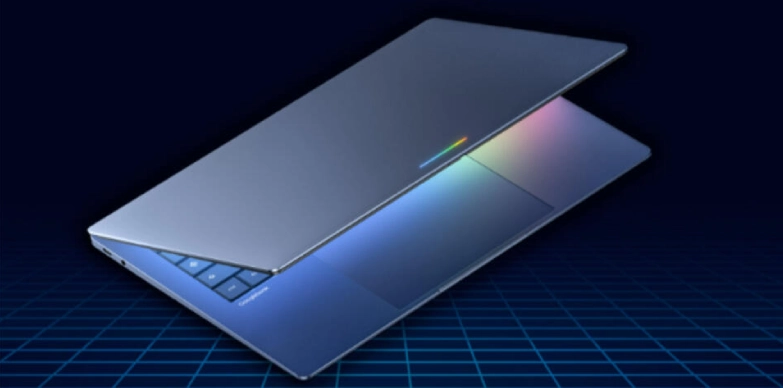
Another headline announcement at the Google I/O should be Googlebook, a new class of AI-focused laptops built with Gemini at the core. Googlebooks are positioned as premium productivity machines with deep AI built right into the OS.
Expect strong Android connectivity, AI-assisted workflows, context-aware computing, and upgraded voice features. Companies like Acer, ASUS, and Dell are already on board.
Analysts see Googlebook as part of the push to unify the AI experience across phones, laptops, wearables, cars, and XR gear.
Also read: Google Wants to You to Avoid Using Apps & Use More AI Instead; Here’s HowGemini 4.0
Conclusion
This year’s Google I/O isn’t just about tech updates, it’s a turning point in Google’s AI game plan. Whether it’s Gemini 4.0, Project Astra, XR glasses, or next-gen AI laptops, everything points toward Google’s bigger vision: making AI a seamless part of everyday life. With the competition stepping things up, how well these launches land could decide if Google stays on top in the fast-moving AI race.