Key Highlights
- Founded by former OpenAI executives over a divergence in safety philosophy, Anthropic is now navigating a high-stakes “de-escalation” with the Pentagon to preserve its core “Constitutional AI” principles.
- OpenAI’s recent removal of its blanket ban on military applications has triggered a massive shift in the AI landscape, forcing rivals to choose between ethical “red lines” and lucrative government contracts.
- The move toward military integration raises critical questions about autonomous weaponry and domestic surveillance, with the Trump administration briefly banning Anthropic in favour of a rushed Pentagon deal with OpenAI.
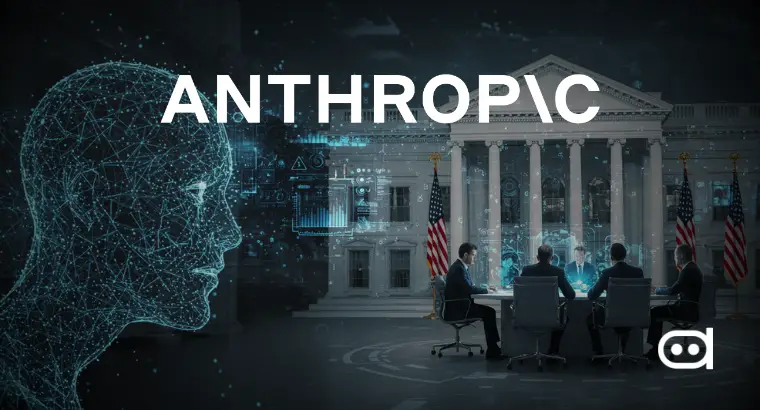
The AI industry is in a frenzy given its current relationship with national security. Anthropic, the startup founded specifically to prioritize “alignment” and safety over rapid commercialization, is currently working to de-escalate a standoff with the U.S. government. The conflict centers on the company’s refusal to remove hardcoded safeguards against domestic surveillance and autonomous lethal weaponry, even as its primary rival, OpenAI, moves to embrace defense partnerships.
As you may know, Anthropic was born out of a 2021 split from OpenAI. Founders Dario and Daniela Amodei led a team of researchers who were reportedly concerned about the “breakneck” speed of development and the potential for safety to be sidelined by profit. This “safety-first” DNA is what led to the development of Constitutional AI, a method where the model is trained to follow a specific set of rules to remain helpful and harmless. However, this very constitution is now being tested by the Pentagon.
The Domino Effect of OpenAI’s Policy Shift
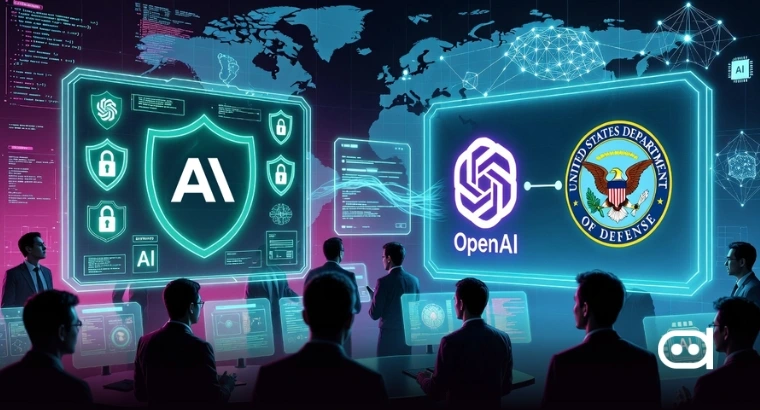
The current tension reached a boiling point after the Trump administration briefly banned government use of Anthropic’s models. This move came at the heels of Anthropic’s refusal to grant the military “unrestricted” access to its frontier models. In a swift counter-move, OpenAI reportedly secured a rushed deal with the Pentagon, effectively filling the vacuum left by Anthropic’s absence.
This shift in OpenAI’s policy has moved from a “no-military” stance to active collaboration, which came across as a shock to the entire industry. For perspective, this isn’t just about one company; it’s about the precedent it sets. If the market leader signals that ethical guardrails are negotiable for federal funding, smaller players may feel forced to follow suit to remain competitive.
You may also like to read: – OpenAI Closes Historic $110 Billion Funding Round Backed by Amazon, NVIDIA, and SoftBank
Impact on Consumers and Global Security
From a consumer perspective, the “OpenAI-Pentagon” deal has triggered a wave of backlash among users who value privacy. According to Sensor Tower data, a surge in interest for “sovereign AI” alternatives as users worry that their data or the models they rely on could be used for surveillance or breaching privacy trust in the name of national security.
On the global stage, the stakes are even higher. The de-escalation efforts by Dario Amodei suggest a middle ground: allowing the military to use AI for logistics, cyberdefense, and administrative work while maintaining a “red line” on kinetic, autonomous action. However, with the global AI race heating up, the pressure to remove these “human-in-the-loop” requirements is immense.
This move comes as OpenAI continues to face scrutiny over its restructuring and its new Expert Council on Well-being, highlighting a company trying to balance its original mission with its current status as a geopolitical asset.
As we look toward CES 2026 and the next wave of AI processors, the question remains: will the industry’s “Constitutional” founders be able to hold their ground, or will the demands of the state redefine what “safe AI” looks like?