Key Highlights:
- CES 2026 signals a shift toward agentic AI, with systems designed to act independently rather than respond to prompts.
- Major companies, including Nvidia, Intel, Samsung and LG, are showcasing AI embedded across robots, chips, vehicles and home devices.
- Robotics, on-device AI processing and ambient wearables have emerged as key themes shaping expectations for the event.
What Is CES and Why It Matters
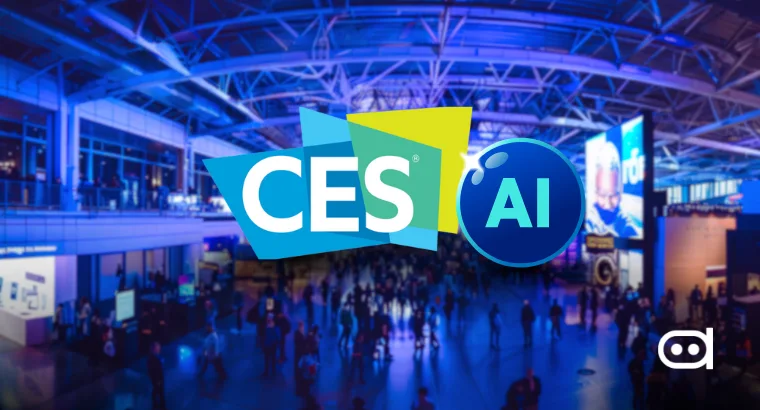
CES (Consumer Electronics Show) is one of the world’s most influential technology events, held annually in Las Vegas. Taking place from January 6–9, 2026. The show is widely seen as a barometer for where consumer and enterprise technology is headed.
Over the decades, CES has served as the launchpad for technologies that later entered mainstream use, from home video systems to electric vehicles. CES 2026 is shaping up to be another milestone, with artificial intelligence moving beyond software and into physical products and systems.
The 2026 Theme: Opening the Gates for Agentic AI
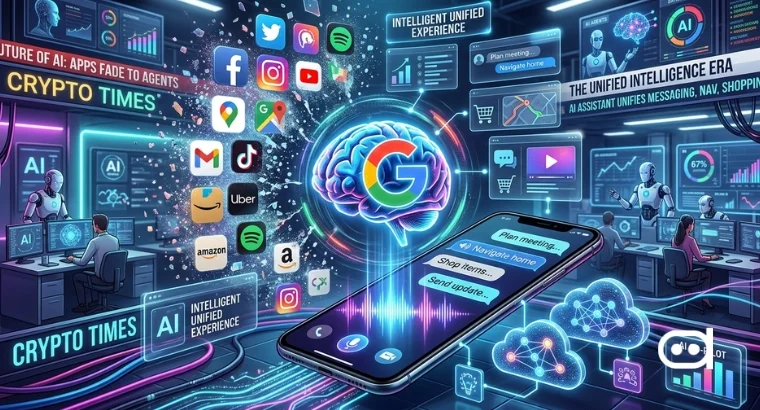
In 2024 and 2025, AI largely appeared as tools that required users to prompt chatbots, assistants and generators. In 2026, the focus has shifted toward agentic AI, which allows systems to carry out tasks independently rather than simply respond to requests.
For companies such as Samsung, LG and Nvidia, this shift enables new business models. AI is increasingly being positioned as a functional layer embedded in homes, vehicles and workplaces, capable of managing tasks rather than just providing information.
The “Physical AI” Push: Robots Move Into Real-World Roles
Robotics is one of the clearest examples of how AI is becoming more tangible at CES 2026, with companies moving from conceptual demonstrations to commercially viable machines.
- Hyundai & Boston Dynamics: The electric version of Atlas made its public debut, with Hyundai positioning the robot as a flexible, safety-focused coworker designed for industrial environments.
- LG’s CLOiD: LG unveiled CLOiD, a humanoid home assistant equipped with two 7-degree-of-freedom arms, designed to handle physical household tasks such as folding laundry or loading a dishwasher.
- SwitchBot Onero H1: SwitchBot introduced the Onero H1, a wheeled humanoid robot positioned as a more accessible option for home use, capable of performing tasks ranging from making coffee to cleaning windows.
Silicon Takes Centre Stage as AI Moves On-Device
To support increasingly autonomous AI systems, chipmakers are focusing on local processing power rather than cloud dependence.
- Intel “Panther Lake”: Officially launched at CES, Intel’s Core Ultra 300 chips are built on its 18A (2nm) process and promise significant performance gains for running large AI models directly on laptops.
- NVIDIA “Blackwell Ultra”: Nvidia’s keynote highlighted its push into physical AI, with particular attention on DRIVE Thor, the company’s AI platform aimed at powering next-generation autonomous vehicles.
- AMD Ryzen AI 10000: AMD showcased processors focused on AI-driven tasks such as generative video editing and real-time translation, while maintaining energy efficiency.
Wearables Hint at a Post-Smartphone Shift
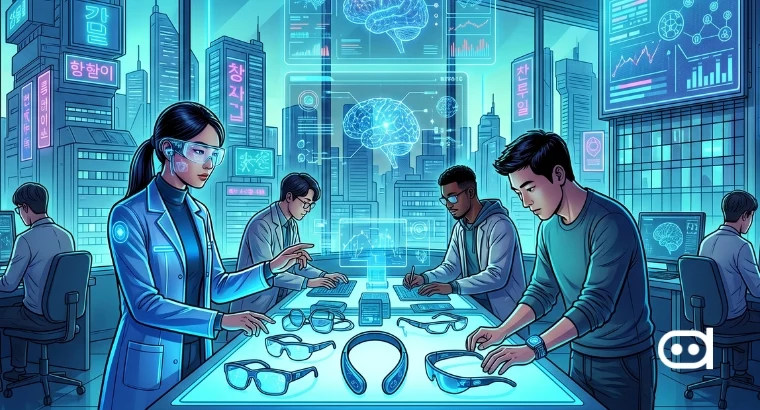
CES 2026 is also highlighting early efforts to reduce reliance on traditional screens through ambient AI-powered wearables.
- Project LUCI (Memories.ai): The AI pin is designed as a developer-focused reference device, using a large visual memory model to store and recall visual information quickly.
- Smart glasses momentum: Updated offerings from Meta, alongside products from XREAL and Rokid, focus on real-time visual search, translation and contextual information delivered without a phone screen.
TVs Evolve Into AI Control Centres
Television makers are increasingly positioning TVs as central hubs for AI-powered homes.
- Micro RGB displays: Samsung and LG are shifting toward Micro RGB technology, allowing higher brightness levels and more accurate colour reproduction.
- Generative art: LG’s Gallery TV uses on-device AI to generate artwork that matches room aesthetics when not in use.
- Samsung Vision AI: Samsung’s latest TVs can recognise who is in the room and adjust content and settings based on user profiles.
Also Read : A Complete Roundup of the Major AI Model Releases in 2025
What to Look for Next at CES 2026
Several developments are expected to draw attention as the event continues:
- Sony-Honda Mobility (AFEELA): A near-production version of the AI-focused electric vehicle is expected, featuring advanced assisted driving and in-car entertainment.
- Matter Standard 2.0: Updates on cross-platform compatibility could determine how AI systems from different brands interact with each other.
- Humanoid robot pricing: Industry watchers are closely tracking whether pricing announcements bring home robots closer to mass-market adoption.