Key Highlights:
- Coinbase AI Agent prevented approximately $4.7 million, or 91% of attempted transfers, from reaching scammers during a fake Tesla livestream.
- The scam used an AI-generated deepfake of Elon Musk during Tesla’s flying car demonstration and attracted more than 500,000 viewers on YouTube.
- The autonomous AI agent detected suspicious transfers and intervened through targeted conversations without human involvement.
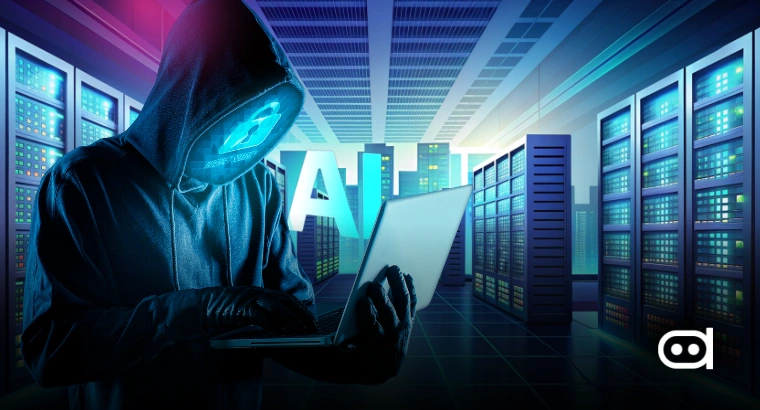
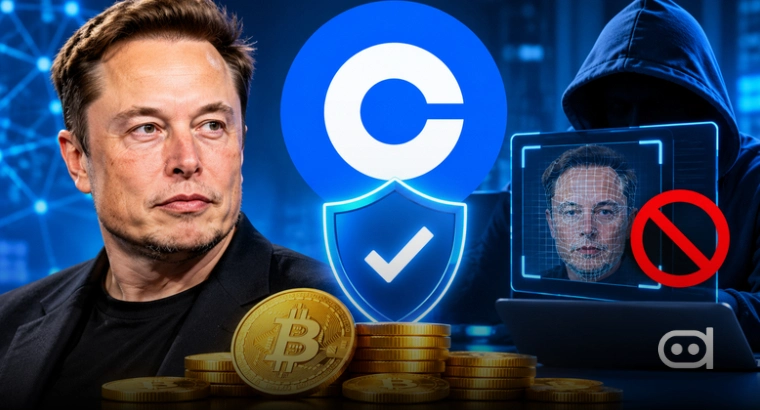
Coinbase AI agent stopped millions of dollars from being transferred in a cryptocurrency giveaway scam involving an AI-generated deepfake of Elon Musk. The incident occurred during Tesla’s flying car demonstration, when scammers created a fake YouTube livestream that imitated the company’s broadcast and promised to double cryptocurrency sent to displayed wallet addresses.
More than 500,000 people watched the stream, while hundreds of Coinbase customers attempted to transfer millions of dollars within approximately two hours. According to Coinbase, its AI Scam Prevention Agent stopped around 91% of the attempted funds, protecting approximately $4.7 million from leaving customers’ accounts.
How Did Coinbase’s AI Agent Detect the Elon Musk Deepfake Scam?
According to Coinbase’s November 17 blog post, scammers used Tesla’s flying car demonstration as an opportunity to launch a fraudulent cryptocurrency giveaway. They created a YouTube livestream resembling the actual event, featuring an AI-generated deepfake of Elon Musk, cryptocurrency wallet addresses, and a QR code. The broadcast promised viewers that any cryptocurrency they sent would be doubled.The livestream attracted more than 500,000 viewers.
Within roughly two hours, hundreds of Coinbase customers attempted to send millions of dollars to the wallet addresses displayed in the video. Coinbase said the incident presented a challenge for conventional fraud prevention systems because the attackers did not compromise customer accounts or steal login credentials. Instead, customers voluntarily authorized the transfers after being deceived by the fake giveaway. This meant the transactions appeared to be legitimate actions approved by authenticated account holders.
Coinbase described the process as having three main components. First, machine-learning models assess suspicious transfers in real time, looking for patterns associated with cryptocurrency giveaways, brand impersonation and newly created wallet addresses.Second, when a transaction is flagged, the Scam Prevention Agent takes over to examine the circumstances surrounding the attempted transfer. Rather than displaying a generic fraud warning, it initiates a targeted conversation explaining the specific giveaway pattern and asking questions that help customers recognize the deception.
Third, Coinbase applies a confidence score to the agent’s responses before presenting them to customers. This is intended to ensure that its explanations are supported by the available information and that the system can introduce additional safeguards when confidence is lower.
Coinbase said the agent had not previously encountered this particular scam format. Despite the use of an AI-generated deepfake tied to a live product demonstration, it recognized the warning signs, including promises to multiply cryptocurrency, time pressure and irreversible transfers.
What Does the Incident Reveal About AI-Powered Crypto Scams?
Coinbase reported that its AI-powered defenses prevented roughly 91% of the attempted funds, equivalent to 4$4.7 million, from leaving customer’s accounts. The company said the intervention operated without humans in the loop, allowing its system to identify malicious activity and engage affected customers automatically. The incident also highlights how AI is changing methods used by cryptocurrency scammers. Deepfake technology makes it easier to imitate public figures and create believable promotional videos without requiring the resources traditionally associated with producing sophisticated fraud campaigns.
Coinbase noted that scammers can now create convincing livestreams quickly and relaunch them under different names after previous versions are removed. This creates extra pressure on exchanges and financial platforms to update their fraud detection systems as new techniques emerge. The company said it is investing further in AI-based security across its risk operations. Its plans include using AI-driven research to improve fraud detection models, deploying AI agents to review suspicious transfers across different scam categories and using AI to label newly identified scam cases.
Coinbase said this could help its models learn from emerging threats within hours rather than weeks. The exchange also advised users to remain cautious of cryptocurrency giveaways, particularly those asking them to send funds before receiving a promised reward. It emphasized that legitimate promotions do not require users to transfer cryptocurrency to receive more in return. Customers should independently verify promotional announcements through official websites and accounts rather than relying on wallet addresses or QR codes displayed in livestreams.