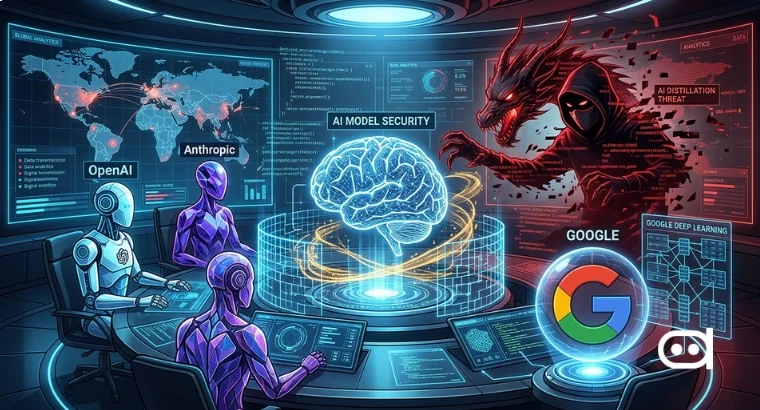
- The U.S. State Department has issued a global directive, warning allies about alleged Chinese AI model distillation practices.
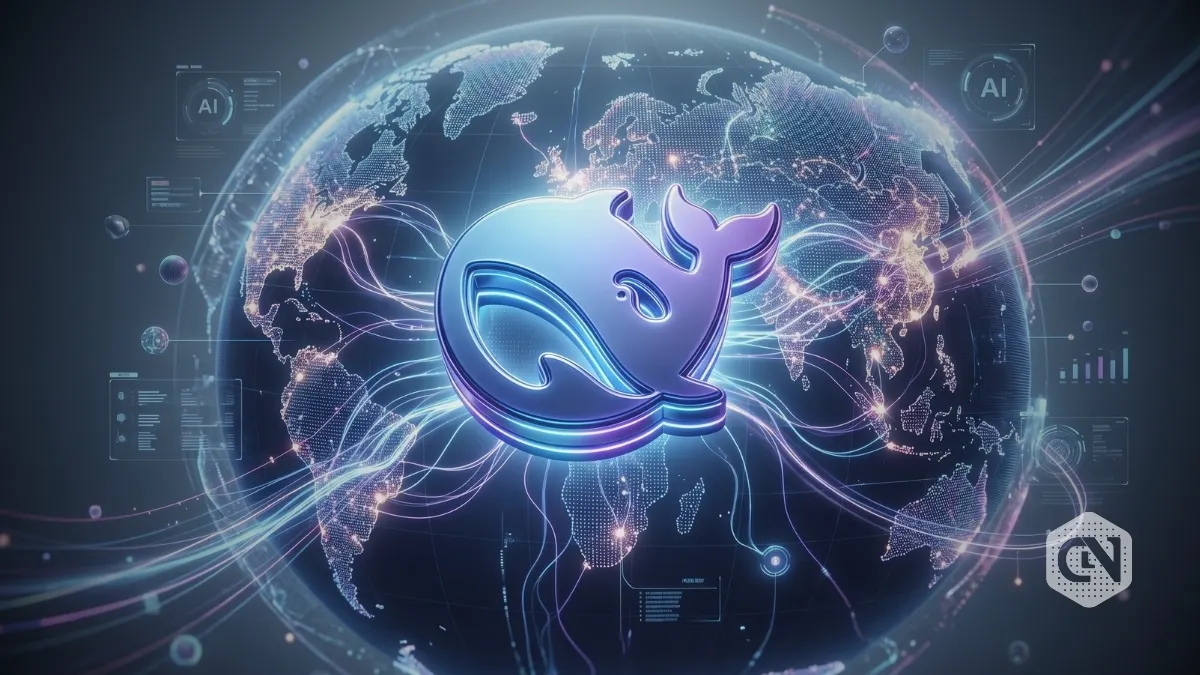
- The warning, sent on April 24, 2026, targets Chinese AI firms including DeepSeek.
- The move reflects escalating tensions between the United States and China over control of advanced artificial intelligence.
The United States has quietly intensified its campaign to protect its artificial intelligence sector, instructing diplomats worldwide to raise concerns about what it describes as the unauthorized replication of American AI systems. The directive, circulated by the State Department, signals a shift from domestic policy enforcement to a coordinated international effort aimed at shaping how allies engage with emerging AI players, particularly those based in China.
At the core of all this, is “model distillation,” a technique that lets developers create smaller, cheaper AI systems by training them on the outputs of much more advanced models. While this method is common in the industry, U.S. officials think some foreign companies are using it to basically clone proprietary systems, without spending the massive sums needed to build such models from scratch. Beijing has strongly denied these accusations, but the whole debate shows just how crucial AI has become as both a business asset and a political tool.
What is “Model Distillation” and How it became the Center of an AI Ownership Dispute
Model distillation is not inherently controversial. According to reports, it is a standard optimization method used by researchers and companies worldwide to improve efficiency. But the concern raised by U.S. officials lies in how the process is being applied. By systematically querying advanced AI models and training new systems on the responses, developers can approximate the behavior of cutting-edge tools without direct access to their underlying code or data.
According to the State Department’s warning, this approach could allow companies like DeepSeek to rapidly narrow the technological gap with leading U.S. firms. The implications are significant, training a frontier AI model can cost hundreds of millions of dollars, while distillation-based approaches may require only a fraction of that investment.
Critics point out that the boundaries between reliable research and intellectual property infringement remains poorly defined. AI systems are trained on vast datasets and interactions, which makes it difficult to determine where inspiration ends and imitation begins. Without clear international standards, the debate risks becoming more political than technical.
Why the U.S. sees AI Replication as a Strategic Threat
There’s also a bigger picture. This directive comes as the U.S. tries to block China from accessing advanced tech, including export controls on semiconductors and restricting high-performance computing. By raising the issue through its diplomats, Washington is sending a clear signal: it wants its allies to align with how it sees AI safety and governance.
That puts a lot of countries in a tough spot. Chinese AI companies are more competitive and affordable than ever, which makes them pretty appealing to developing markets. But getting too close to these companies risks upsetting the U.S. and also raises security concerns. The State Department’s message appears designed to tilt this balance, encouraging caution and, potentially, limiting the global reach of Chinese AI providers.
China has rejected the charges, calling them baseless and just another political move. Officials in Beijing say their companies are simply innovating, and that the U.S. is falsely accusing them of theft to slow China’s rise.
Also read: China’s Start-ups Face AI Distillation Allegations
Wrapping Up
The controversy over AI distillation shows there’s a bigger fight over who gets to shape the future of artificial intelligence. The field is central to both economic power and national defense now, so questions about who controls it, whether it’s fair, and how countries work together are only getting louder. Whether all this leads to some agreement or just more division worldwide isn’t clear yet. But what’s obvious is that the stakes, economic and strategic, aren’t getting any smaller.