Key Highlights:
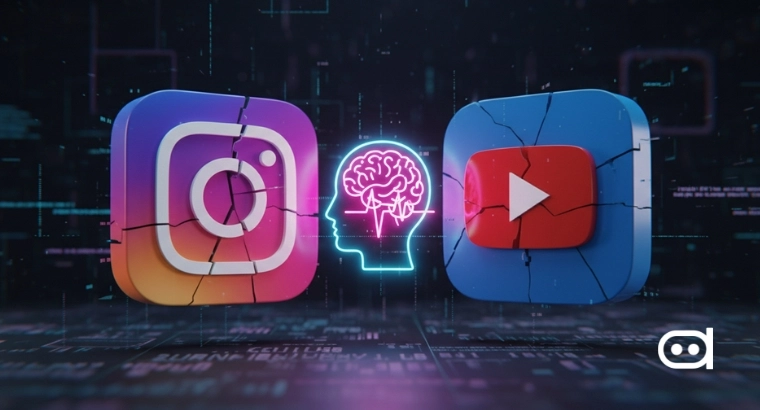
- Meta and Google are being closely watched in a U.S. court case where a 20-year-old plaintiff claims Instagram and YouTube’s attention-driven design features negatively impacted her mental health while she was a minor.
- If the jury rules against the companies, the verdict could dent Big Tech’s legal shield in the U.S., which generally protects platforms from liability over user-related harm.
- Apart from social media companies, AI firms like OpenAI are also facing rising lawsuits and regulatory scrutiny across the U.S.
These days, social media app companies are under massive scrutiny by regulators and lawmakers around the world. The major point of concern is related to social media’s effect on minors’ mental health. TikTok, in the past, has been summoned by U.S. lawmakers for its addictive design that makes minor audiences hooked to the app, reportedly affecting their mental health and behavior.
U.S. court case puts Instagram and YouTube’s app design under scrutiny
Speaking of social media apps, Meta-owned Instagram and Google-owned YouTube have been flagged for similar issues in the past. But this time, Meta and YouTube are being closely watched in a U.S. court case. The lawsuit has been filed by a 20-year-old woman identified as K.G.M., who claims Instagram and YouTube’s addictive design features negatively affected her mental health while she was a minor. The court trial is set to begin today in California, U.S.
According to court filings, K.G.M. alleges that attention-driven features kept her hooked on the platforms from a young age. That reportedly led to contributing to depression and suicidal thoughts. According to Reuters, she is seeking damages and wants the companies held responsible for what she describes as negligent product design. She has also argued that the companies also failed to warn users about potential risks of being on the platform.
In case the jury rules against Meta and Google, the verdict could end the long-standing shield for Big Tech in the U.S., which generally protects online platforms from liability over user-related harm. The report also notes that Meta CEO Mark Zuckerberg is expected to testify during the trial, which could run into March. Notably, two other platforms that were named in the lawsuit, TikTok and Snap, have reportedly settled with the plaintiff, avoiding any court trial. However, Google and Meta, both will defend themselves in court by hinting at external factors in the plaintiff’s life. The companies are expected to highlight their youth safety efforts and argue that they are not responsible for harmful content posted by other users.
You may also like: China Moves to Regulate Emotional AI Chatbots Over Mental Health & Suicide Risks
The legal heat isn’t just on social media
Companies owning social media platforms aren’t the only ones facing court trials. AI companies like OpenAI are reportedly also facing similar lawsuits in the U.S. Speaking of a specific California lawsuit, OpenAI last year denied all the allegations and says that Adam Raine repeatedly bypassed safety rules and ignored crisis warnings from ChatGPT. Not to forget, Meta is also in hot water in the EU for its WhatsApp AI policy that blocks third parties from offering their chatbots to users on the platform.