- Anthropic is testing a major upgrade referred to as “Epitaxy” to its Claude Code platform which is aimed at transforming it into a full-scale AI powered development environment.
- This update proposes multi-repository workflows, agent coordination systems, and a redesigned interface that strengthens planning, execution, and review into a single workplace.
- This move signals a shift toward autonomous coding systems and positions Anthropic in direct competition with emerging AI “superapps”.
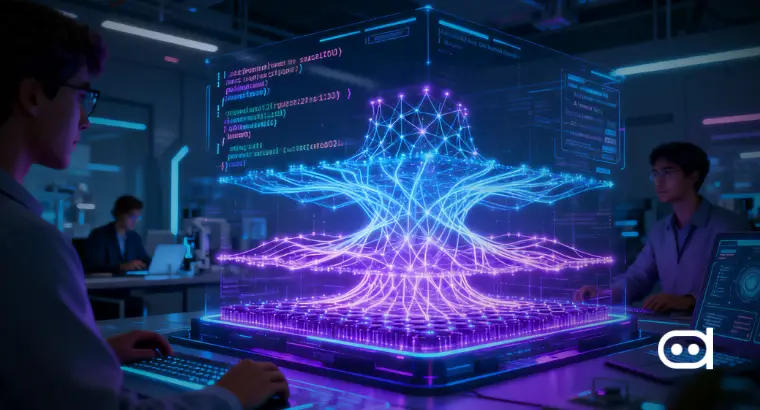
In the evolving race to build a definitive AI powered development environment, Anthropic’s experiment with Claude Code has marked a decisive step. Epitaxy is a structural rethinking of how developers interact with code, tools, and intelligent agents and not just an incremental improvement. Reports also suggest that the company is trying to collapse fragmented workflows into a single and cohesive platform where planning, coding, debugging, and deployment can coexist smoothly.
This development happens around the same time as when the concept of an AI superapp is gaining attention across the industry. Tools like Claude Code are being redesigned to operate as central hubs for productivity instead of functioning as independent assistants. Users don’t have to write code in this system anymore, they can organise systems of AI agents that can execute complete tasks side by side. Anthropic’s attempt is to redefine the nature of software development itself and not just developer tools.
From Assistant to Coordinator
Epitaxy upgrade’s main feature described as “Coordinator Mode” represents a clear shift from reactive assistant to proactive orchestration. Claude is viewed as a central system capable of planning tasks, assigning them to specialized sub agents, and consolidating the outcomes into usable results instead of simply responding to isolated prompts. This reflects a deviation from traditional coding assistants which have always been limited to narrow task execution.
The implications of this shift are considerate as this will help developers increasingly find themselves acting less as hands on coders and more as supervisors of automated systems. Complex workflows like coordinating updates across multiple repositories or managing interdependent services, could be represented to AI agents operating under a unified plan. While this introduces efficiency gains, it also raises concerns about oversight, reliability, and the limits of automation in high-stakes engineering environments.
This model, at the same time, reshapes the required skill set of developers. Strategic thinking, system design, and validation are likely to be prioritized over direct implementation. This role goes from writing every line of code to ensuring that AI driven processes align with intent and produce accurate, maintainable outcomes.
The AI Superapp Race
The redesign of Claude Code’s interface with Epitaxy, which signals a move toward unification, is equally significant. Anthropic is attempting to eliminate the need for developers to switch between multiple tools by integrating planning panels, task tracking systems, and live previews into a single platform. The main goal is to unify the workspace where every single stage of development is visible and manageable in real time.
This approach aligns with a wider industry trend towards platforms that function as operating systems for knowledge work. The idea of a superapp is rapidly becoming the blueprint for enterprise and developer tools, and is no longer limited to consumer ecosystems. In this context, Claude Code’s evolution with Epitaxy is as much about strategic positioning as much about technological innovation.
Also read: Claude Can Now Control Your Mac & Here’s How It Actually Works
Wrapping Up
The evolution of Claude Code through the Epitaxy upgrade shows a crucial moment in the transforming of AI powered development tools. A reimagined workspace where human intent is translated into coordinated machine execution is what’s emerging, and not merely a smarter assistant. Even though the company’s promise of increased efficiency and scalability through Epitaxy is compelling, it comes with new challenges around control, transparency, and trust.
The real world impact will depend on how effectively autonomy is balanced with usability as these AI systems continue to develop. Anthropic’s experiment with Epitaxy offers a glimpse into a future where developers would not have to write code, they’ll only have to manage capable systems that do it for them.