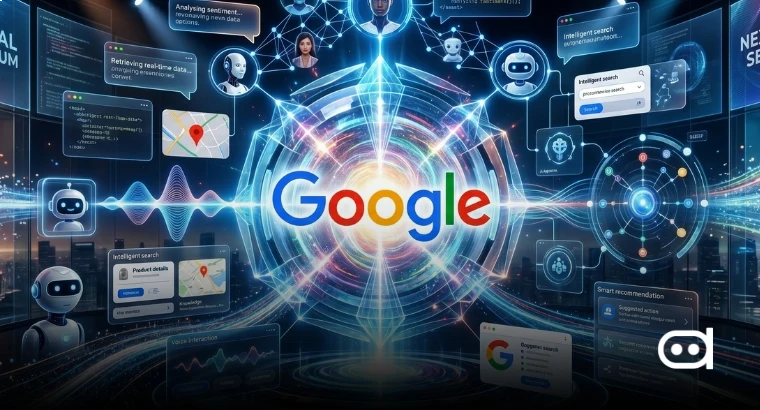
- Google just unveiled a massive update to Search at Google I/O 2026, showing off AI agents, conversational search, and more personalized help, all powered by Gemini 3.5 Flash.
- This takes Search way beyond the old “10 blue links” setup. Now it’s an AI-first platform that can handle tasks, build custom interfaces, and keep up an ongoing conversation with you.
- Google says over a billion people already use AI Mode each month, which shows how serious the company is about changing the way we interact with information online.
At the I/O 2026 developer conference, company leaders called it the biggest change Google Search has seen in more than 25 years. Instead of static results, Search is moving to an interactive experience focused on conversation, automation, and personalized support.
It’s happening just as the competition in AI heats up. OpenAI, Anthropic, Meta, they’re all racing to shape how people find what they need online. Now Google has set its sights much higher: AI isn’t just an add-on anymore. It’s the very core of Search.
How Google Search is Turning into an AI Assistant
Introducing our brand new, intelligent Search box — totally reimagined with AI. This is the biggest upgrade to our Search box in 25 years and it’s starting to roll out today.
— Google (@Google) May 19, 2026
Designed to anticipate your intent, the new Search box helps you formulate your question with AI-powered… pic.twitter.com/hgEI2BzhwV
Right at the core of this update is the rollout of AI Mode now driven by Gemini 3.5 Flash. Now you can actually chat with Google, ask follow-up questions, use natural language, add images, videos, files, and even your Chrome tabs.
The new interface is built to feel more like a smart assistant than a plain old search engine. It gets what you’re asking, keeps track of the conversation, and doesn’t make you start over each time.
Google has also made it clear how big this shift is: AI Mode now has over a billion users each month. Conversations like these mean you don’t have to keep repeating similar inquiries, and you get things done faster.
These persistent AI agents will watch the web for you, keeping an eye on apartment listings, sneaker drops, best prices, sports scores, whatever changes you care about. No more checking back manually for updates; just let the AI keep tabs and notify you when something changes.
From Search Engine to Digital Platform
Google says one of the most radical changes is the new generative interfaces built right into Search. With an internal project called “Antigravity”, Search can build dynamic dashboards, trackers, simulations, even lightweight apps based on what you need.
So now, if you ask for a fitness planner or a travel budget tracker, you might get an actual interactive tool instead of just a website list. And Search is becoming more useful for business, too. In some fields like beauty services, home repair, pet care, you can have it contact businesses, check prices, and see what’s available, all automatically. The feature is launching first in the United States.
Personalization is getting a boost, too, under Google’s “Personal Intelligence”. You’ll be able to connect things like Gmail and Google Photos, with Calendar integration coming later. Then Search uses your real context to answer questions and give recommendations including only what’s relevant. Google says these features are all opt-in and have privacy controls.
But, not everyone is thrilled. Publishers and digital marketers are worried about changing traffic. AI-made answers have shifted visits away from sites that used to rely on Google. People doing research or running websites worry that conversational results might mean fewer clicks to their pages, and that could turn the economics of the web upside down.
Some critics point out risks like hallucinations, unclear sources, and privacy challenges, especially as AI gets more personalized. While a lot of users appreciate faster, easier analysis, others worry about a future where fewer people visit independent sites directly.
Also read: Google I/O 2026: How to Watch Keynote Live & What to Expect
Conclusion
Google’s big I/O 2026 reveal shows the company’s determination to reinvent its flagship product for the age of AI. Search isn’t just a tool for looking things up anymore, it’s becoming an intelligent assistant that can act for you, create custom interfaces, and keep up with your evolving needs.