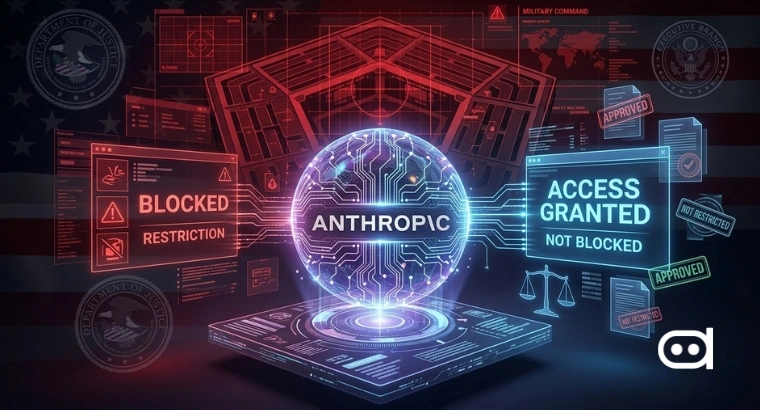
- A US appeals court in Washington DC refused to block Pentagon from blacklisting Anthropic, so the restriction continues for now.
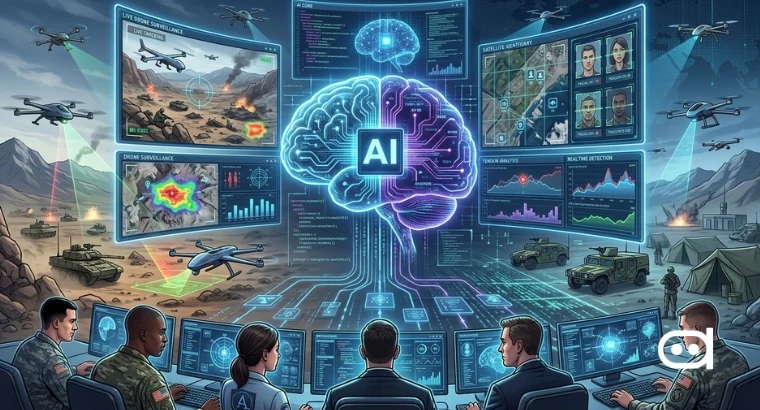
- The dispute began because Anthropic refused to let the US Department of Defence use its AI tools for certain military services like surveillance and autonomous weapons.
- The decision is not yet final, but it reflects a growing global debate over who will eventually have the power to control the use of these powerful AI systems.
The recent court decision in the United States has highlighted a serious growing conflict between tech companies and the government. Anthropic will remain excluded from defence-related work while the legal case continues, according to the appeals court’s refusal to block Pentagon’s blacklist. Even though this is a temporary decision, it still highlights how sensitive and complex issues around artificial intelligence have become especially when it comes to national security.
Anthropic chose to set clear boundaries on how its AI can be used ethically and safely, hence the difference in priorities. But the Pentagon views these restrictions as a challenge in situations where flexibility and quick decision making are important. This prioritization gap started from a business agreement and has now turned into a wider legal and policy issue.
The Legal Fight Between Pentagon, Anthropic
Anthropic argued about the blacklist being unfair and unconstitutional, and being punished for maintaining its stance on responsible AI use. The company has pointed to violations of free speech while also warning about financial losses and damage to its reputation if the restriction continues.
On the other hand, the US government claims that the move is based on security concerns and not retaliation. They further argue that working with companies that impose strict limits could potentially create operational risks. The court has decided not to intervene at this stage, allowing the government to proceed while the case is being examined. This suggests that these concerns are being taken seriously.
Reports claim that different courts have taken different positions on this issue, making the situation even more complex. A judge in California suggested that the blacklist might be unfair and blocked a related government action. However, the Washington DC appeals court has refused to block Pentagon’s decision of blacklisting Anthropic. These disagreements in ruling shows that the legal system is still trying to figure out a way to handle such cases.
Also read: What Is Project Maven & How Is It Reshaping the AI-based Modern Warfare
Why is this a Concern for AI’s Future?
This case is beyond just one company. It highlights a broader struggle happening across the tech industry. With the advancement of artificial intelligence, companies are trying to set boundaries on how their technology is used. But, at the same time, the governments want access to these tools without any strict limitations, especially for the defence department.
According to Reuters.com, setting limits on the use of AI is a part of Anthropic’s core values, it refused to allow its AI to be used for mass surveillance or fully autonomous weapons. The Pentagon found these restrictions impractical in a world where technology advantages are critical. This difference in priorities led to a conflict which is difficult to resolve.
The outcome of this case could potentially have a major impact on the future of AI. There are only two potential outcomes:
- If the government’s position is maintained, other companies might feel pressured to unwind their ethical guidelines to secure contracts.
- But if Anthropic succeeds, firms would be motivated to stand strong on their principles, even when dealing with powerful government agencies.
Either way, the final decision will change the future of artificial intelligence and how it is developed and used in the years ahead.
Wrapping Up
The decision will not end the case, but it will make one thing very clear: the fight over who controls AI is only the beginning. As governments push for wider access without limitations and tech companies trying to set limits for their artificial intelligence tools’ ethical use, the final verdict in this case would set and important example for how AI is managed in high stake areas like national security and defence.