Elon Musk, the richest person in this world, is the owner of six different tech and engineering companies that are dedicated to five different things. First up, you’ve Tesla, which is an electric vehicle and energy company. Next up, you’ve SpaceX (aerospace and satellite internet), X (formerly Twitter), Neuralink (brain-computer interfaces), The Boring Company (tunnels), and xAI (artificial intelligence).
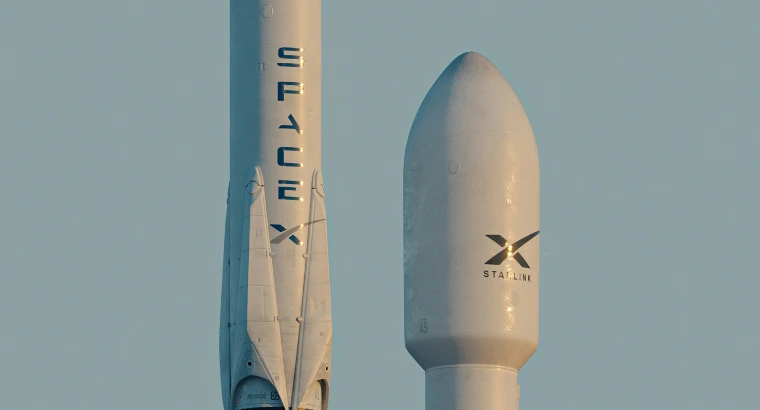
Speaking of xAI, it has now been acquired by SpaceX. Yes, that’s the same SpaceX that I mentioned above. With the deal now complete, the combined entity is reportedly the world’s most valuable private company, which is largely driven by an aggressive push toward space-based computing infrastructure.
Space-based data centers sit at the core of the deal
According to Musk, the merger is less about short-term synergies, but more about the future of AI itself. In a memo published on SpaceX’s website, Musk argues that today’s AI boom depends too heavily on massive ground-based data centers that demand enormous power and cooling. Musk believes those constraints make terrestrial infrastructure unsustainable at scale, both economically and environmentally. His solution is space-based data centers, powered and cooled beyond Earth’s limits.
As reported by Bloomberg, the merger reportedly values the combined company at around $1.25 trillion. The acquisition also brings together two companies with very different financial profiles. xAI is currently spending heavily, burning reportedly around $1 billion per month as it races to compete with big AI giants like OpenAI and Google.
SpaceX, on the other hand, is more about the Starlink satellite business, which accounts for a significant portion of its revenue. With this acquisition, Musk has tied xAI’s future to space infrastructure. Musk effectively creates a feedback loop where AI demand drives satellite launches, and satellite launches fuel SpaceX’s growth.
You may also like: Elon Musk Seeks Up to $134 Billion in OpenAI Lawsuit as AI Feud Escalates
Different near-term goals, shared long-term pressure
Despite the merger, SpaceX and xAI remain focused on distinct near-term missions. SpaceX is still working to prove Starship’s readiness for lunar and Mars missions, while xAI is under intense pressure to scale its models and products. That pressure has already led to controversy, including criticism over relaxed safeguards in xAI’s Grok chatbot. In fact, the company is under scrutiny from multiple regulators across the globe.
Do you think pushing AI infrastructure into space is a bold next step, or an unnecessary risk?